Brand health tracking solution
May 18, 2023
For VND38,250,000 (US$1,500) per month, you can monitor your brand and learn how your hard work


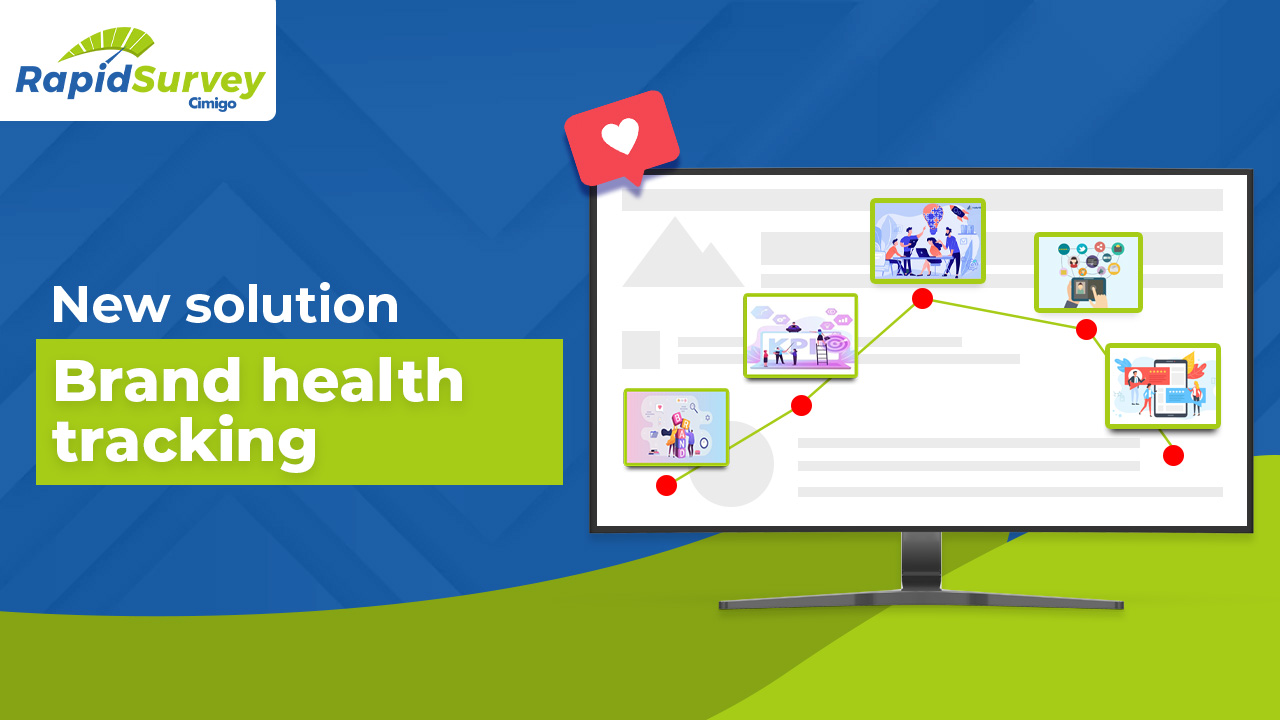
Brand health tracking solution
May 18, 2023
For VND38,250,000 (US$1,500) per month, you can monitor your brand and learn how your hard work
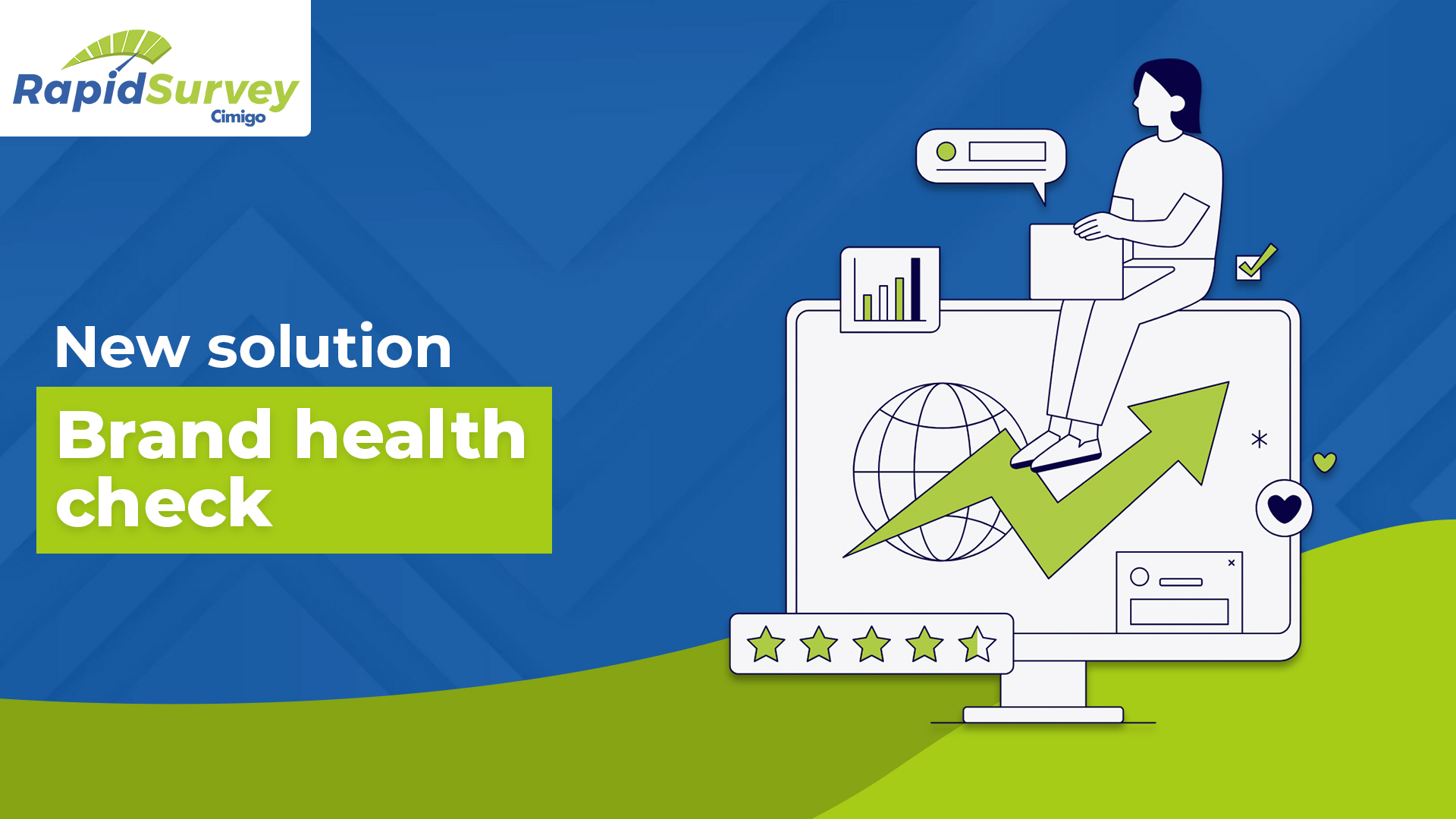
Brand health check solution
Nov 14, 2024
For VND63,724,500 (US$2,499), you can measure and diagnose your brand’s health amongst 300
Employee experience solution
Sep 24, 2026
Listen effectively. Understand your organisation. Act with confidence. Cimigo Employee Experience
Đoàn Ngọc Huy (Johnny Doan), CMO & Market Research Expert -
As a Marketing Director and Market Research Expert Advisor across international markets, I have collaborated with numerous market research agencies, both global and local, that operate with a high level of professionalism and effectiveness. Cimigo is among the most outstanding. The Cimigo team demonstrates exceptional professionalism, strong commitment, and operational excellence. From research design and fieldwork execution to insight analysis, all stages are conducted rigorously, delivered on schedule, and closely aligned with business objectives. This is a highly capable team that I would confidently recommend to my partners and stakeholders.
As a Marketing Director and Market Research Expert Advisor across international markets, I have collaborated with numerous market research agencies, both global and local, that operate with a high level of professionalism and effectiveness. Cimigo is among the most outstanding. The Cimigo team demonstrates exceptional professionalism, strong commitment, and operational excellence. From research design and fieldwork execution to insight analysis, all stages are conducted rigorously, delivered on schedule, and closely aligned with business objectives. This is a highly capable team that I would confidently recommend to my partners and stakeholders.
Lisa Nguyen - Vietnam Marketing Lead
Mark Ratcliff - Managing Director
The team at Cimigo are my favourite researchers in South East Asia. They’ve proved adept at tackling the most private and complex personal issues at qualitative research level, not flinching when the client endlessly chopped and changed fieldwork timing, or ramped up the workload without warning. They have recruited the most extraordinarily niche consumers without pause or complaint. Their patience with clients and their flexibility and hard work that went above and beyond what was initially asked of them on two projects relating to sexual behaviour means there is now no other research company we would choose to work with in that part of Asia. The fact they also pulled off a third project for us so well, on men’s relationship with beer and beer advertising, shows they have breadth of expertise— we still quote from the report they produced.
The team at Cimigo are my favourite researchers in South East Asia. They’ve proved adept at tackling the most private and complex personal issues at qualitative research level, not flinching when the client endlessly chopped and changed fieldwork timing, or ramped up the workload without warning. They have recruited the most extraordinarily niche consumers without pause or complaint. Their patience with clients and their flexibility and hard work that went above and beyond what was initially asked of them on two projects relating to sexual behaviour means there is now no other research company we would choose to work with in that part of Asia. The fact they also pulled off a third project for us so well, on men’s relationship with beer and beer advertising, shows they have breadth of expertise— we still quote from the report they produced.

Kevin McQuillan - Chief Marketing Officer
Sam Houston - Chief Executive Officer

Minh Thu - Consumer Market Insights Manager
Travis Mitchell - Executive Director
Malcolm Farmer - Managing Director
Hy Vu - Head of Research Department

Joe Nelson - New Zealand Consulate General
Steve Kretschmer - Executive Director
York Spencer - Global Marketing Director

Laura Baines - Programmes Snr Manager
Mai Trang - Brand Manager of Romano
Hanh Dang - Product Marketing Manager
Luan Nguyen - Market Research Team Leader
Max Lee - Project Manager
Chris Elkin - Founder
Ronald Reagan - Deputy Group Head After Sales & CS Operation
Chad Ovel - Partner

Private English Language Schools - Chief Executive Officer
Rick Reid - Creative Director

Anya Nipper - Project Coordination Director

Dr. Jean-Marcel Guillon - Chief Executive Officer
Joyce - Pricing Manager

Matt Thwaites - Commercial Director
Aashish Kapoor - Head of Marketing

Kelly Vo - Founder & Host
Thanyachat Auttanukune - Board of Management
Hamish Glendinning - Business Lead

Thuy Le - Consumer Insight Manager
Richard Willis - Director

Ha Dinh - Project Lead
Geert Heestermans - Marketing Director
Vo Thi Thuy Ha - Commercial Effectiveness

Louise Knox - Consumer Technical Insights
Aimee Shear - Senior Research Executive
Dennis Kurnia - Head of Consumer Insights
Tania Desela - Senior Product Manager
Thu Phung - CTI Manager
Linda Yeoh - CMI Manager

 Team
Team
Cimigo’s market research team in Vietnam and Indonesia love to help you make better choices.
 Solutions
Cimigo provides market research solutions in Vietnam and Indonesia that will help you make better choices.
 Trends
Cimigo provides a range of consumer marketing trends and market research on market sectors and consumer segments in Vietnam and Indonesia.
 Reports
Cimigo provides a range of free market research reports on market sectors and consumer segments in Vietnam and Indonesia.