Indonesia consumer trends 2026
Oct 18, 2026
Indonesia consumer trends 2026 Indonesia‘s economy continues to demonstrate resilience in

Will El Niño disrupt consumer demand in Indonesia and Vietnam?
 Richard Burrage
 Aug 22, 2026
Cimigo expects that El Niño will disrupt consumer demand in Indonesia and Vietnam. El Niño describes a period when surface waters in the central and eastern tropical Pacific Ocean become unusually warm. This changes the movement of heat, moisture and winds through the atmosphere, which can alter weather patterns around the world. For Indonesia and Vietnam, El Niño brings hotter, drier conditions than usual.
As of 22 August 2026, a very strong El Niño is developing across the tropical Pacific, and businesses in Indonesia and Vietnam should begin preparing for its potential disruption. The climate signal is already clear. What happens next is not.
The El Niño climate event could therefore create two different commercial timelines across two of ASEAN’s most important consumer markets. Indonesia and Vietnam together represent around 56% of ASEAN’s population and 47% of its economic output. What happens to food prices, household spending, and consumer demand in these two markets, therefore, matters well beyond their borders. For businesses, the potential transmission extends far beyond the weather:
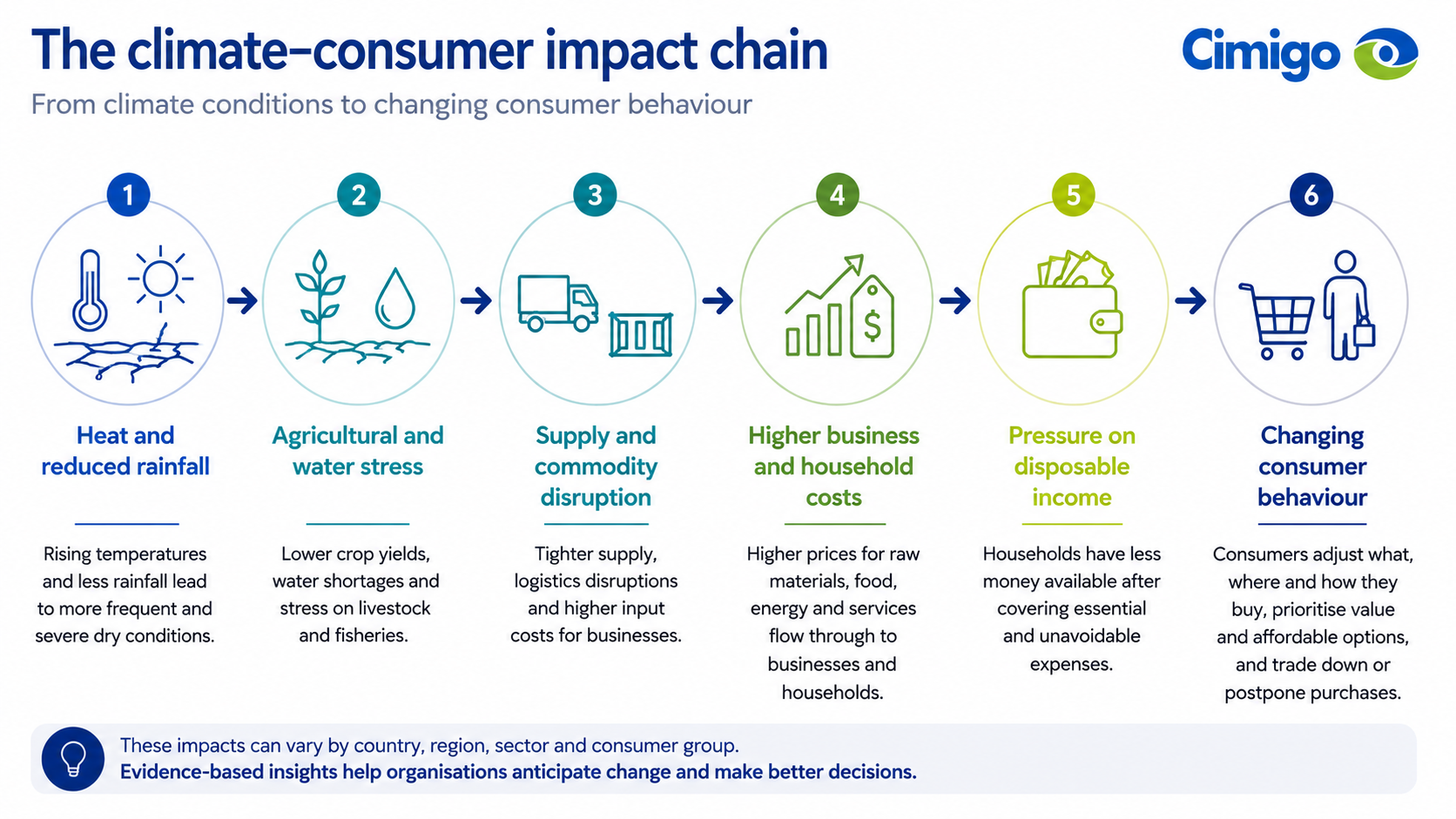
Not every step in that chain will necessarily occur. The severity will depend on rainfall, geography, crop conditions, water management, inventories, government intervention and global commodity markets. That is why El Niño should be treated as a scenario to prepare for and monitor, rather than a prediction of inevitable disruption.
The 2015–16 experience demonstrates the impact of a severe El Niño. 2026–27 will not follow the same path. This is a warning, not a prediction of disaster, so you may plan for and build risk scenarios. Now is the time to establish what to monitor.
The difference between Indonesia and Vietnam is in how the same Pacific climate signal interacts with each country’s seasons, geography, agricultural systems and consumer economy.
The last severe El Niño provides useful context, but not a template for what will happen this time. The 2015–16 El Niño was among the strongest events of the modern observational period. Across Southeast Asia, it contributed to unusually hot and dry conditions, but the economic consequences differed substantially between countries. The severe El Niño contributed to major agricultural and water disruptions in Vietnam, while Indonesia experienced additional economic consequences from widespread fires and haze.
The 2026–27 event does not have to repeat that experience. Fire prevention, water management, crop conditions, commodity inventories, and government responses differ. El Niño events themselves also differ in strength, duration and geographic effects. The lesson from 2015–16 is therefore not that history will repeat itself. It is that the consequences can travel surprisingly far beyond the weather.
El Niño will disrupt consumer demand differently across Indonesia and Vietnam; the risks will strike on different timelines in each country. Regional companies should therefore avoid using one ASEAN El Niño scenario for both markets.
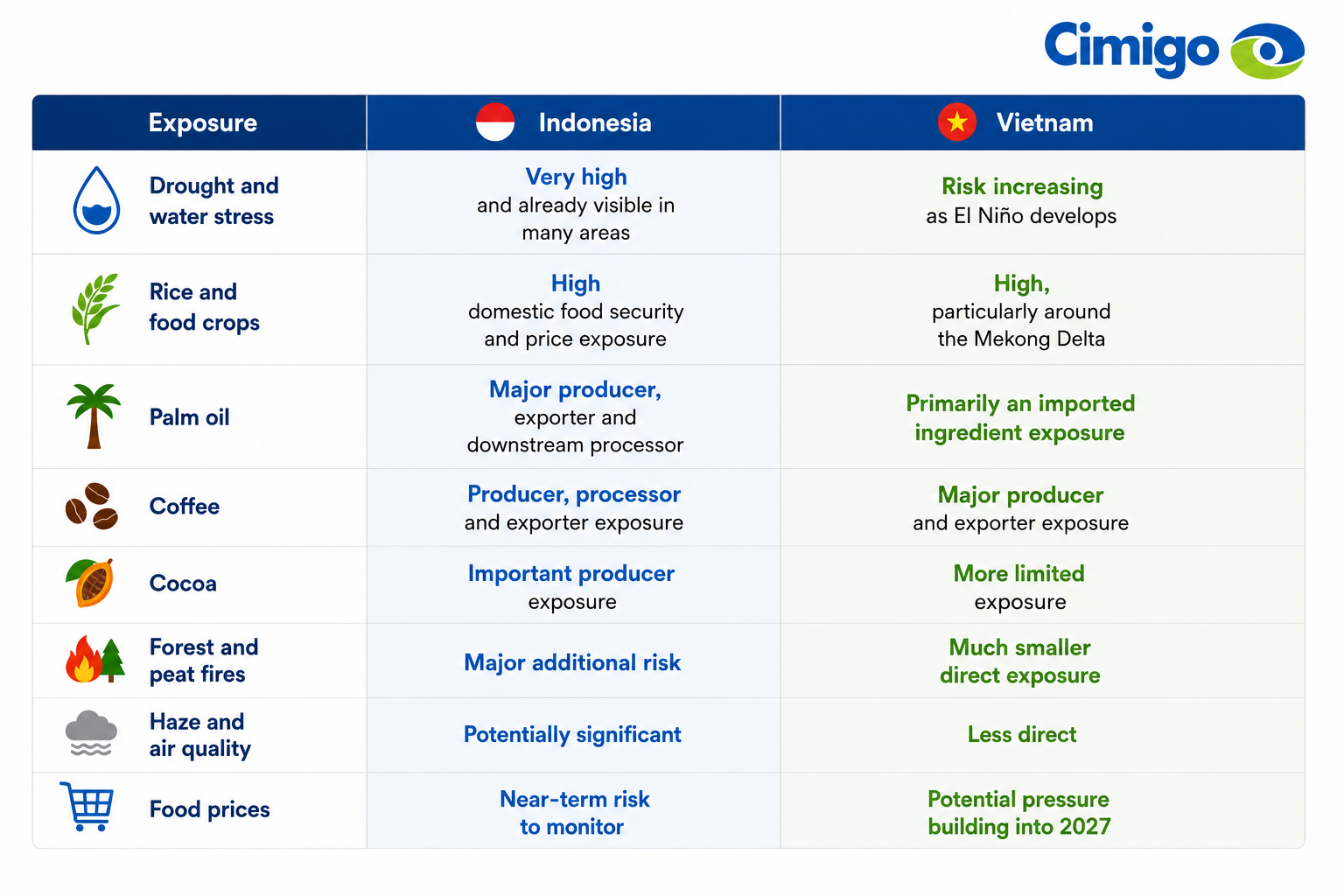
Agriculture sits closest to the climate shock. Higher temperatures increase crop water requirements precisely when rainfall and irrigation availability may decline. But the crops and regions exposed differ.
In Vietnam, rice production in the Mekong Delta faces the combined challenges of freshwater availability and saltwater intrusion. Coffee, pepper and other perennial crops in the Central Highlands are vulnerable to prolonged water stress. Aquaculture can also be affected through changes in water temperature, salinity and water quality.
Indonesia has a different agricultural structure and much broader geographic exposure. Rice is critical for domestic food security and household expenditure. Palm oil connects Indonesian weather conditions to global food, consumer goods and oleochemical supply chains. Coffee and cocoa create additional domestic and export exposure.
The first commercial signal may not necessarily be a dramatic fall in national production. There may be greater variability in availability, quality, timing and price. For procurement teams, those signals can matter long before annual production statistics are available.
Palm oil deserves particular attention because Indonesia’s exposure works in two directions. Indonesia is the world’s largest palm oil producer. Weather stress can therefore affect plantations, rural incomes, processors, exports and eventually international commodity markets. But Indonesia is also a major downstream processor. Palm and palm kernel feedstocks are processed into oleochemicals, including fatty acids, fatty alcohols, glycerine, and soap noodles. These, in turn, are used in detergents, soaps, cosmetics, personal care, food, and numerous industrial applications. This creates a much longer potential transmission chain:
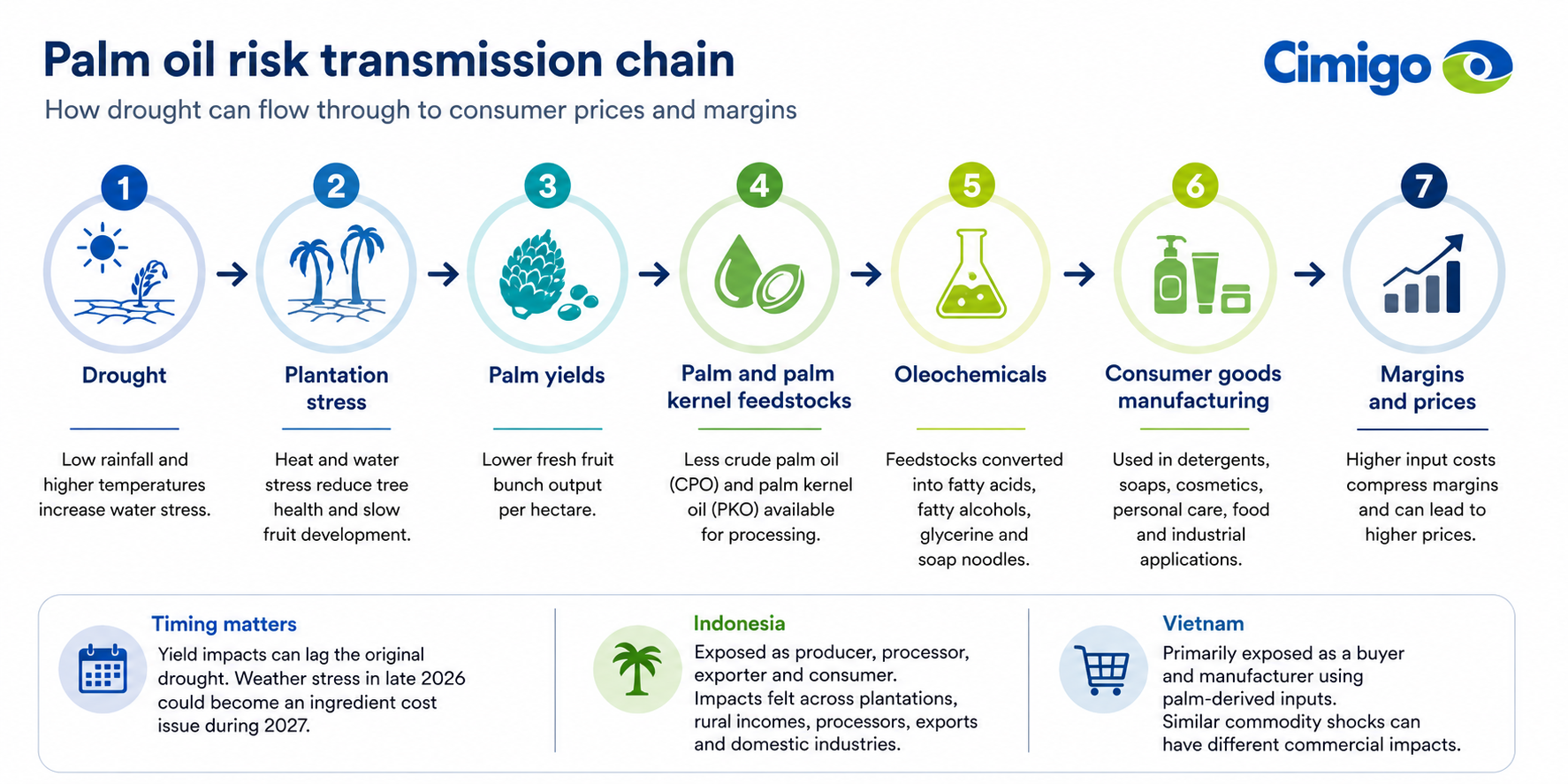
The timing is important. Effects on oil palm yields can lag the original period of drought. That means weather conditions in late 2026 could become an ingredient cost issue in 2027. Indonesia would experience that risk as producer, processor, exporter and consumer.
Vietnam is much more exposed as a buyer and manufacturer using palm-derived inputs. The same commodity shock could therefore have substantially different commercial consequences in the two countries.
Food manufacturers may experience El Niño through several channels simultaneously. Agricultural ingredients can become more volatile. Water availability may become operationally important in some locations. Electricity and refrigeration requirements will rise during periods of extreme heat. Agricultural and energy costs can also flow indirectly into processing, packaging and logistics. This creates the familiar choice between absorbing higher costs and sacrificing margin, or passing costs to consumers and risking weaker demand.
But companies should avoid waiting for a general inflation measure to signal a problem. A dairy producer, bakery, confectionery manufacturer, coffee business and instant noodle producer can experience completely different versions of the same El Niño. Commercial risk scenarios need to establish which inputs your business is exposed to, where they are produced, when disruption would reach your costs, and how much pricing power you will have if it does.
Food prices are an important channel of transmission because they affect households frequently and visibly. El Niño will disrupt consumer demand in both Indonesia and Vietnam as they are likely to have less discretionary income after paying for essentials. These disruptions will arrive at different times and through different routes.
Hot weather can create more consumption occasions for bottled water, carbonated soft drinks, hydration products, RTD tea, RTD coffee and other cold beverages. That creates potential volume opportunities in both Indonesia and Vietnam. Manufacturers will likely face pressure from pricing volatility in sugar, coffee, fruit, water, electricity, and refrigeration. Revenue may well increase while margins deteriorate. There is also an important measurement issue for marketers. If a beverage category grows because the weather is exceptionally hot, stronger sales do not necessarily demonstrate stronger brand equity or sustainable consumer momentum. Brands evaluating 2026 and 2027 performance should consider separating weather-driven category growth from genuine brand growth.
The same climate event could increase category usage while simultaneously increasing manufacturing costs.
Prolonged heat can change personal care needs and usage occasions. Consumers may shower more frequently. Body cleansing, deodorant, scalp care, oil control, sweat management and sun protection can become more salient. But these effects should not be assumed to be identical in Indonesia and Vietnam. Climate, consumer routines, category development and cultural practices all influence how changing weather translates into behaviour.
Meanwhile, supply-side pressure can move in the opposite direction. Indonesia’s oleochemical industry demonstrates how closely palm oil is connected with everyday consumer products. Palm-derived fatty acids are used in soaps and detergents, fatty alcohols in detergents and cosmetics, and glycerine across cosmetics, pharmaceuticals and food. For Indonesian manufacturers, the potential exposure therefore extends from the plantation to the finished product. For Vietnamese manufacturers, the more important issue is likely to be the cost and availability of imported palm-derived ingredients.
Forest and peat fires make Indonesia’s exposure fundamentally different from Vietnam’s. Dry conditions increase fire risk. Severe fire seasons can then create haze and deteriorating air quality across affected areas. That introduces another potential consumer pathway:
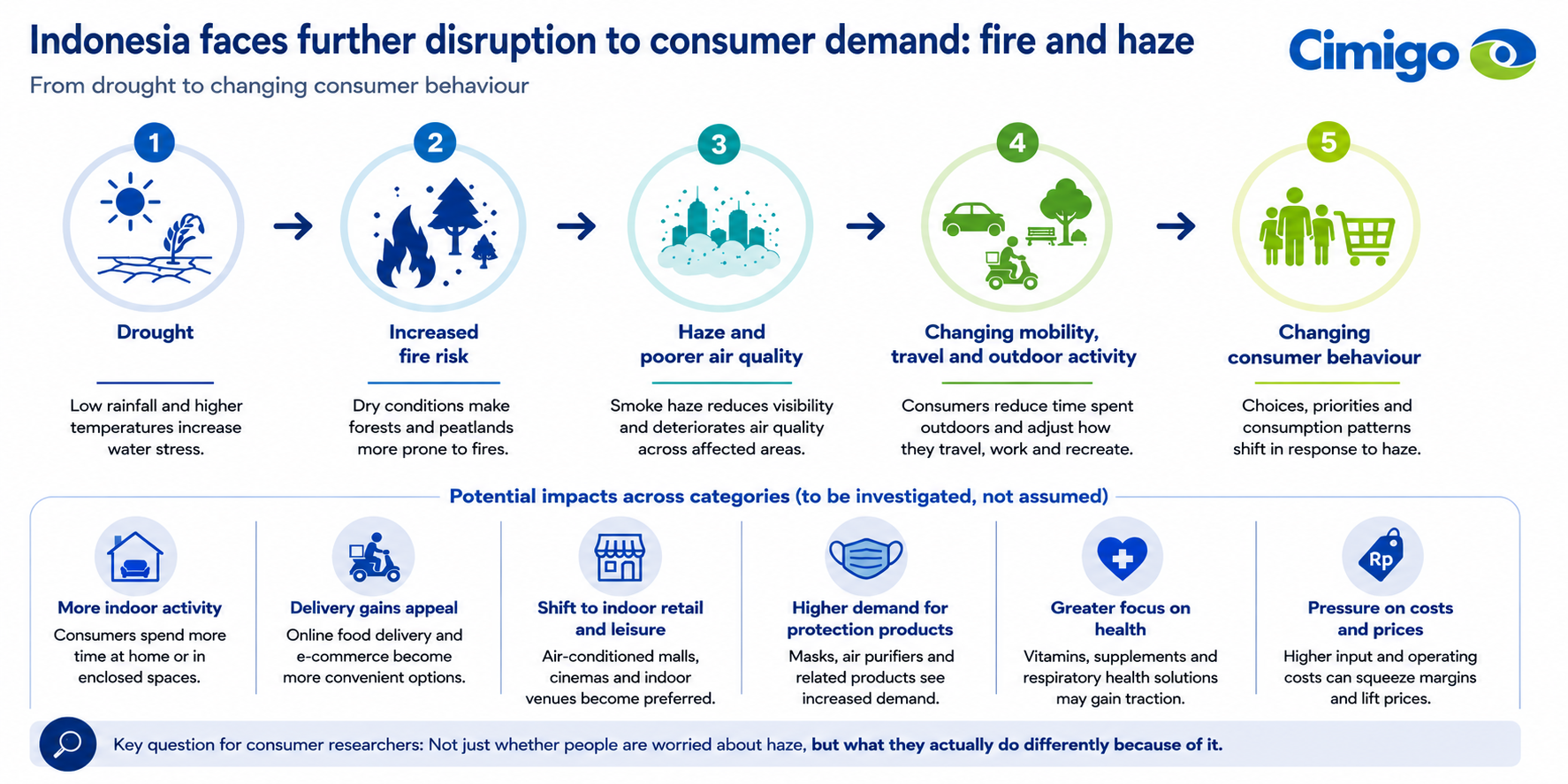
The consequences can reach categories with no obvious agricultural connection. Consumers may spend less time outdoors. Delivery can become more attractive. Indoor and air-conditioned retail and leisure environments may gain appeal. Demand for masks, air filtration and selected health-related products may increase. But these are scenarios to investigate, not behaviours to assume. For consumer researchers, the important question is not simply whether people are worried about haze. It is what they actually do differently because of it.
Tourism deserves particular attention because weather conditions can affect both destination choice and behaviour once travellers arrive. The risks differ between Indonesia and Vietnam. This is the top travel trend for 2027 because weather conditions can affect both destination choice and behaviour once travellers arrive.
If severe drought contributes to a significant forest and peat fire season, haze can reduce visibility, disrupt aviation and other transport, discourage outdoor activities and affect destination perceptions. The 2015 experience demonstrates that this can become economically material. The World Bank estimated IDR 5.5 trillion in tourism revenue losses in Indonesia associated with fires and haze.
The impact would not necessarily be uniform. Destinations distant from fire and haze areas could experience little direct disruption, while others could be affected through air quality, flight networks or negative destination perceptions. National tourism numbers could therefore conceal substantial local differences.
Vietnam faces a different tourism exposure. Extreme heat does not necessarily stop people from travelling, particularly when trips have already been booked. But it can change what visitors do, when they do it and where they spend their time. Sightseeing can shift towards mornings and evenings. Air-conditioned transport, restaurants, shopping centres and indoor attractions may become more attractive. Outdoor activities may lose appeal during the hottest parts of the day. Water availability is also more important in destinations where tourism creates substantial seasonal demand. Hotels, attractions, tour operators, restaurants and destination marketers may therefore need to adapt itineraries, operating hours, guest communications and services if extreme heat becomes prolonged.
Domestic travellers in Vietnam and Indonesia are familiar with their climates and may adapt by changing destinations, travel dates or activities. International visitors may respond differently, particularly when media coverage associates destinations with fires, haze or extreme weather.
Tourism businesses should therefore monitor more than arrivals. Destination searches, booking lead times, cancellations, flight disruption, length of stay and activity choices could provide earlier evidence that behaviour is changing.
A business need not be affected by an agricultural supply chain, but its consumers may have less money left to spend.
The most important consumer consequence will be the household budget. If agricultural disruption raises food costs while hotter conditions increase household electricity expenditure, consumers have less money available after paying for essentials. Agricultural households can face an additional problem if incomes weaken while living costs increase. Lower-income households are particularly exposed because essential expenditures absorb a larger share of their budgets. Consumers could respond by trading down, choosing smaller packs, becoming more promotion-sensitive, switching brands, postponing purchases, or reducing discretionary expenditure. This creates indirect exposure for beauty, apparel, restaurants, entertainment, tourism and other categories whose own production may have little direct connection with El Niño.
El Niño can also create commercial opportunities. Hotter conditions can increase demand for bottled water, cold beverages, hydration products, ice cream, fans, air conditioners, cooling appliances, sun protection and selected personal care products. Indonesia could experience additional demand for indoor air quality products if haze becomes significant.
Consumer behaviour may change in subtler ways, too. People can change when they travel, where they shop, when they socialise and how frequently they use delivery. Weather can therefore alter consumption occasions as well as category demand. The commercial challenge is distinguishing a temporary weather-driven effect from a lasting change in consumer preference.
Regional businesses should pay particular attention to the different potential timelines.
Very strong El Niño conditions and widespread dryness are already observable. During the remainder of 2026, businesses should monitor drought intensity, water availability, agricultural production, food prices, fire hotspots, haze and air quality. The effects will vary substantially by region.
El Niño is established and forecast to remain strong to very strong. Businesses should monitor rainfall, temperature, Central Highlands crop conditions, Mekong water availability and salinity as the El Niño develops. Some of the more significant effects on agricultural supply, household costs and consumer behaviour could emerge during 2027.
Some agricultural and commodity consequences will take time to appear. Palm oil provides an important example because plantation stress can affect subsequent yields, creating the possibility that Indonesian weather conditions eventually become an input-cost issue for manufacturers across the region. Businesses should therefore think about El Niño as a 12- to 18-month commercial scenario with different national and category timelines, rather than simply this quarter’s weather.
El Niño can also create commercial opportunities. Hotter conditions can increase demand for bottled water, cold beverages, hydration products, ice cream, fans, air conditioners, cooling appliances, sun protection and selected personal care products. Indonesia could experience additional demand for indoor air quality products if haze becomes significant.
Consumer behaviour may change in subtler ways, too. People can change when they travel, where they shop, when they socialise and how frequently they use delivery. Weather can therefore alter consumption occasions as well as category demand. The commercial challenge is distinguishing a temporary weather-driven effect from a lasting change in consumer preference.
The appropriate response is neither to assume disaster nor to wait until the effects appear in sales data. It is to identify exposure and establish what to monitor.
Develop scenarios for different levels of food inflation, input costs and household spending pressure.
Map critical agricultural and commodity inputs by origin and identify those exposed to drought. Review contracts that will be renewed during 2027. Identify categories where extreme heat could materially change demand or usage occasions. For tourism and hospitality, identify operations and destinations most exposed to heat, water shortages, haze or transport disruption.
Across Indonesia and Vietnam, track commodity prices alongside consumer confidence, promotion sensitivity, pack-size behaviour and discretionary spending. Tourism businesses should add destination search, cancellations, booking lead times, flight disruption and visitor activities.
In Indonesia, monitor rainfall deficits, drought warnings, water conditions, crop conditions, palm oil production, food prices, fire hotspots and air quality.
In Vietnam, monitor rainfall and temperature, Mekong water levels and salinity, Central Highlands crop conditions, agricultural prices, food inflation and household expenditure.
If the evidence begins to move, respond to what consumers are actually doing rather than to what the scenario predicted they might do.
The objective is not to predict every consequence correctly. It is to reduce the time between an emerging change and your informed response.
El Niño illustrates why regional strategy requires local evidence. The El Niño climate phenomenon is shared. The commercial consequences are not.
For businesses operating across both markets, the monitoring framework is straightforward:
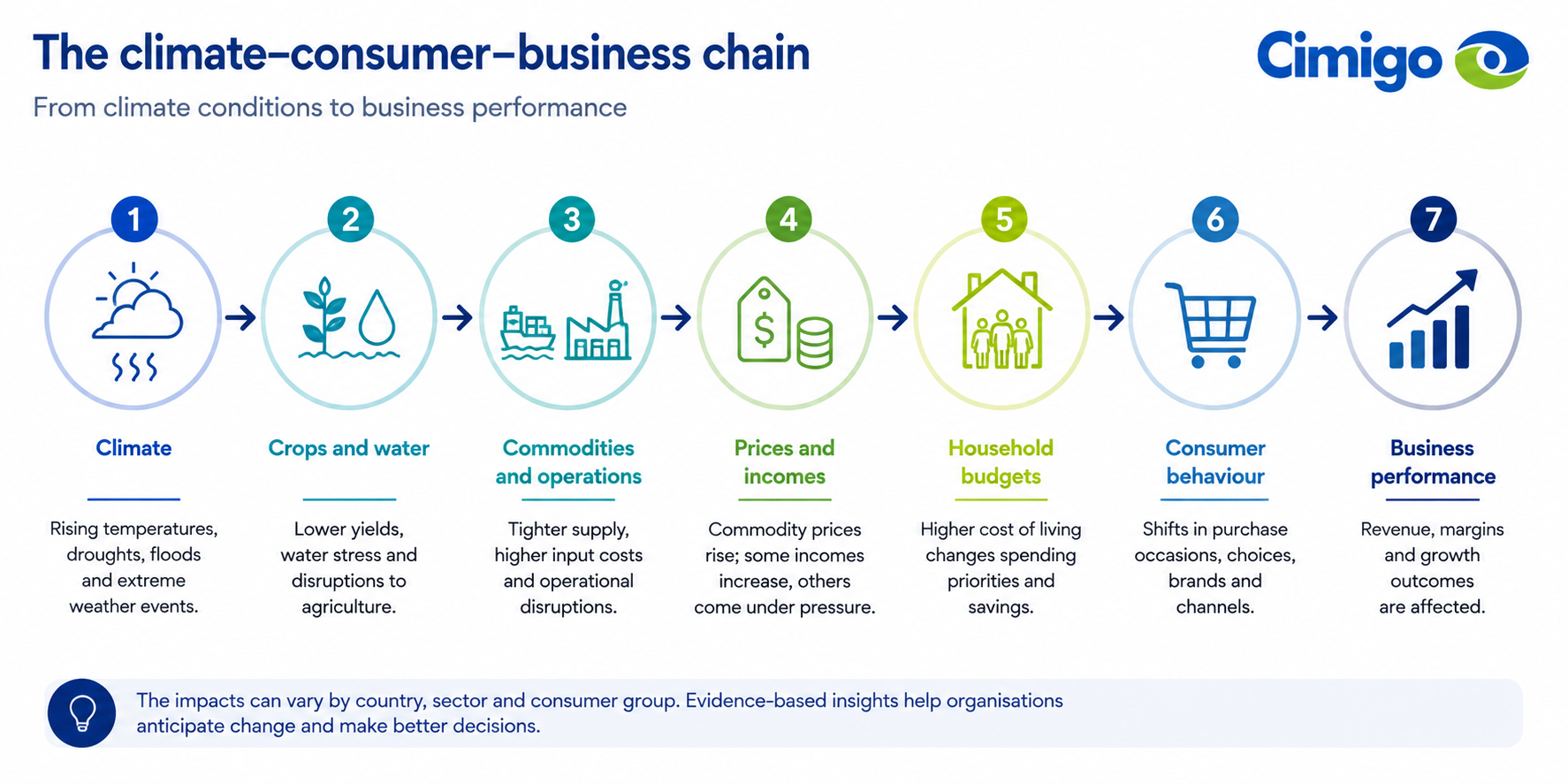
At every stage, ask three questions:
Again, this is a warning that El Niño may disrupt consumer demand, not a prediction of disaster, so you may plan for and build risk scenarios. Now is the time to establish what to monitor.
Visit AskCimigo and interrogate our reports with our AI assistant.

Get instant access to syndicated consumer insights, market trends, and competitive intelligence across Vietnam.
If you have any questions or specific needs, please get in touch with us at ask@cimigo.com.

Indonesia consumer trends 2026
Oct 18, 2026
Indonesia consumer trends 2026 Indonesia‘s economy continues to demonstrate resilience in
Vietnam’s consumer outlook 2027
Oct 14, 2026
Vietnam’s consumer outlook 2027: Why strong economic growth does not guarantee consumer
The Road to Saigon
Apr 15, 2025
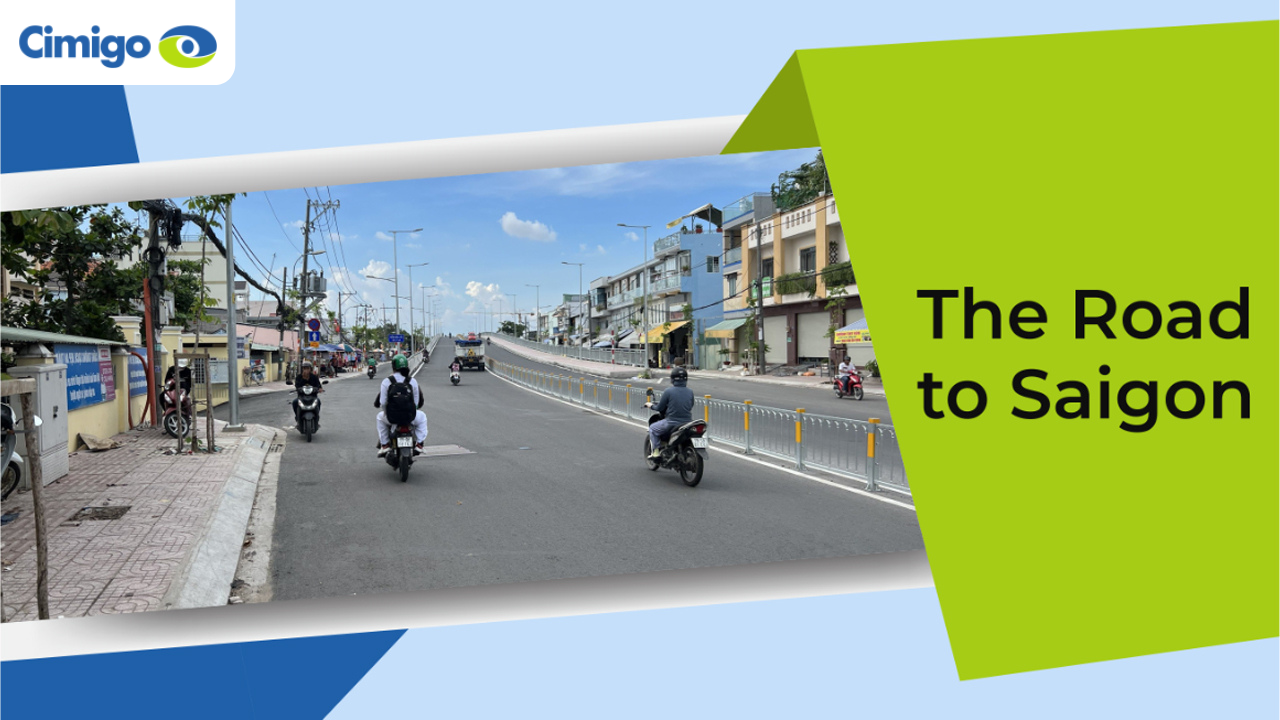
Watch the Road to Saigon and learn about the stories of the residents. Understand their lives,

Đoàn Ngọc Huy (Johnny Doan), CMO & Market Research Expert -
As a Marketing Director and Market Research Expert Advisor across international markets, I have collaborated with numerous market research agencies, both global and local, that operate with a high level of professionalism and effectiveness. Cimigo is among the most outstanding. The Cimigo team demonstrates exceptional professionalism, strong commitment, and operational excellence. From research design and fieldwork execution to insight analysis, all stages are conducted rigorously, delivered on schedule, and closely aligned with business objectives. This is a highly capable team that I would confidently recommend to my partners and stakeholders.
As a Marketing Director and Market Research Expert Advisor across international markets, I have collaborated with numerous market research agencies, both global and local, that operate with a high level of professionalism and effectiveness. Cimigo is among the most outstanding. The Cimigo team demonstrates exceptional professionalism, strong commitment, and operational excellence. From research design and fieldwork execution to insight analysis, all stages are conducted rigorously, delivered on schedule, and closely aligned with business objectives. This is a highly capable team that I would confidently recommend to my partners and stakeholders.

Lisa Nguyen - Vietnam Marketing Lead

Mark Ratcliff - Managing Director
The team at Cimigo are my favourite researchers in South East Asia. They’ve proved adept at tackling the most private and complex personal issues at qualitative research level, not flinching when the client endlessly chopped and changed fieldwork timing, or ramped up the workload without warning. They have recruited the most extraordinarily niche consumers without pause or complaint. Their patience with clients and their flexibility and hard work that went above and beyond what was initially asked of them on two projects relating to sexual behaviour means there is now no other research company we would choose to work with in that part of Asia. The fact they also pulled off a third project for us so well, on men’s relationship with beer and beer advertising, shows they have breadth of expertise— we still quote from the report they produced.
The team at Cimigo are my favourite researchers in South East Asia. They’ve proved adept at tackling the most private and complex personal issues at qualitative research level, not flinching when the client endlessly chopped and changed fieldwork timing, or ramped up the workload without warning. They have recruited the most extraordinarily niche consumers without pause or complaint. Their patience with clients and their flexibility and hard work that went above and beyond what was initially asked of them on two projects relating to sexual behaviour means there is now no other research company we would choose to work with in that part of Asia. The fact they also pulled off a third project for us so well, on men’s relationship with beer and beer advertising, shows they have breadth of expertise— we still quote from the report they produced.

Kevin McQuillan - Chief Marketing Officer

Sam Houston - Chief Executive Officer

Minh Thu - Consumer Market Insights Manager
Travis Mitchell - Executive Director

Malcolm Farmer - Managing Director
Hy Vu - Head of Research Department

Joe Nelson - New Zealand Consulate General

Steve Kretschmer - Executive Director

York Spencer - Global Marketing Director

Laura Baines - Programmes Snr Manager

Mai Trang - Brand Manager of Romano

Hanh Dang - Product Marketing Manager

Luan Nguyen - Market Research Team Leader
Max Lee - Project Manager

Chris Elkin - Founder
Ronald Reagan - Deputy Group Head After Sales & CS Operation
Chad Ovel - Partner

Private English Language Schools - Chief Executive Officer

Rick Reid - Creative Director

Anya Nipper - Project Coordination Director

Dr. Jean-Marcel Guillon - Chief Executive Officer

Joyce - Pricing Manager

Matt Thwaites - Commercial Director

Aashish Kapoor - Head of Marketing

Kelly Vo - Founder & Host
Thanyachat Auttanukune - Board of Management
Hamish Glendinning - Business Lead

Thuy Le - Consumer Insight Manager

Richard Willis - Director

Ha Dinh - Project Lead
Geert Heestermans - Marketing Director

Vo Thi Thuy Ha - Commercial Effectiveness

Louise Knox - Consumer Technical Insights

Aimee Shear - Senior Research Executive

Dennis Kurnia - Head of Consumer Insights

Tania Desela - Senior Product Manager

Thu Phung - CTI Manager
Linda Yeoh - CMI Manager

 Team
Team
Cimigo’s market research team in Vietnam and Indonesia love to help you make better choices.
 Solutions
Cimigo provides market research solutions in Vietnam and Indonesia that will help you make better choices.
 Trends
Cimigo provides a range of consumer marketing trends and market research on market sectors and consumer segments in Vietnam and Indonesia.
 Reports
Cimigo provides a range of free market research reports on market sectors and consumer segments in Vietnam and Indonesia.