Indonesia consumer trends 2026
Oct 18, 2026
Indonesia consumer trends 2026 Indonesia‘s economy continues to demonstrate resilience in

Top travel trends for 2027: What destinations should do differently
 Richard Burrage
 Aug 24, 2026
Top travel trends for 2027. Travel demand is changing, but not in one direction. Travellers are taking more frequent trips. They want local culture and food, but without unnecessary inconvenience. They increasingly travel to recover as well as discover. Travel remains overwhelmingly social, despite the industry’s fascination with individual personalisation. The same person can want an inexpensive weekend escape on one occasion and a longer, premium cultural experience on another.
At the same time, the way destinations are discovered is fragmenting. Search, social media, travel platforms and AI increasingly overlap. For tourism authorities, integrated resorts and destination developers, this makes the old idea of marketing a destination to “tourists” increasingly inadequate. There is also a more immediate challenge. El Niño could influence tourism demand and visitor behaviour during 2027, requiring destinations to adapt not only how they market themselves, but also how they deliver the visitor experience.
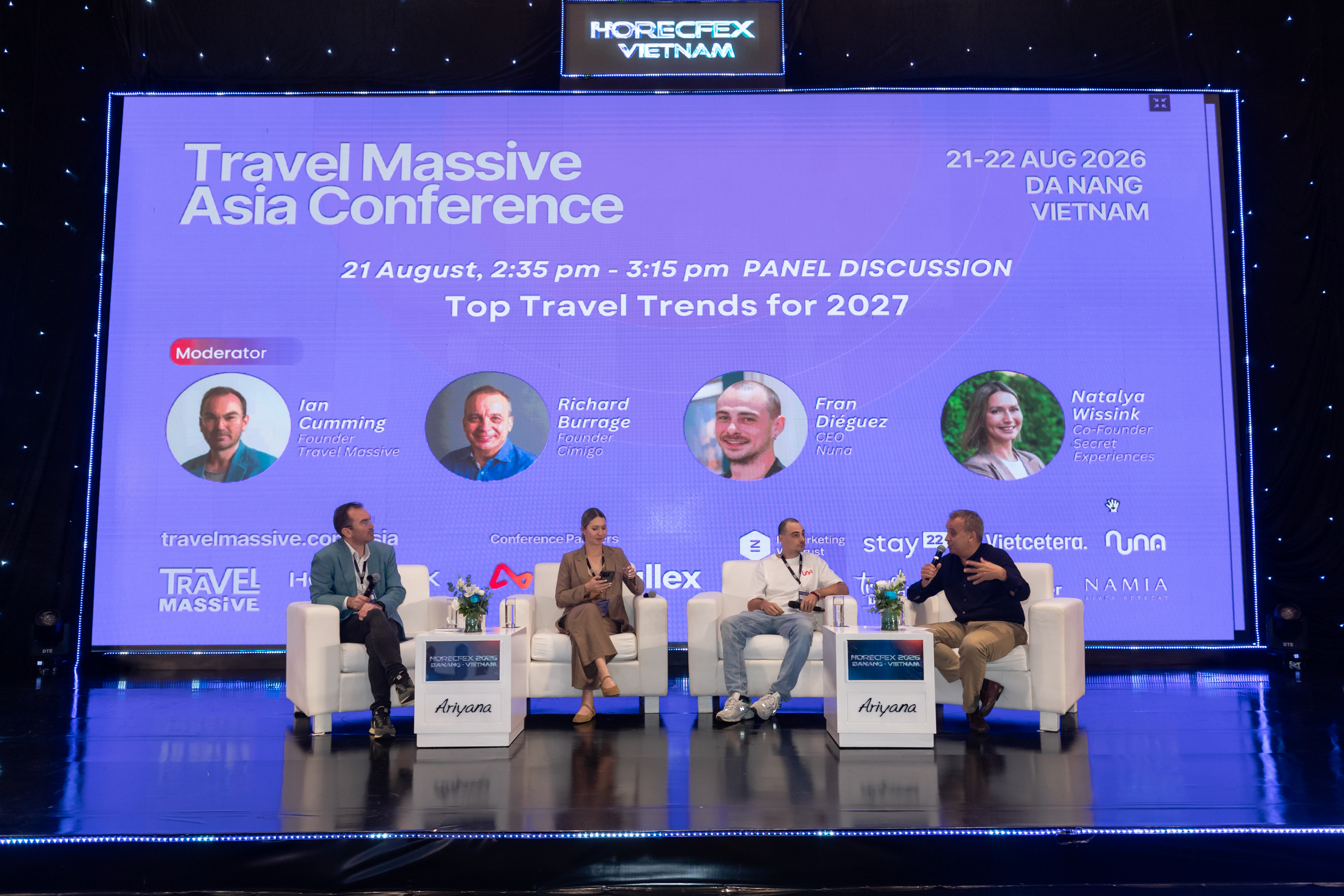
This article draws in part on themes discussed at the Travel Massive Asia 2026 Top travel trends for 2027 panel. My thanks to Travel Massive and my fellow panellists, Ian Cumming, the founder of Travel Massive, Fran Diéguez, the CEO of Nuna and Natalya Wissink, the founder of Secret Experiences, for the discussion and exchange of perspectives. This article builds on that conversation, alongside Cimigo’s research into Vietnamese travellers and consumers, to consider what the emerging trends mean for destinations, tourism authorities and integrated resorts.
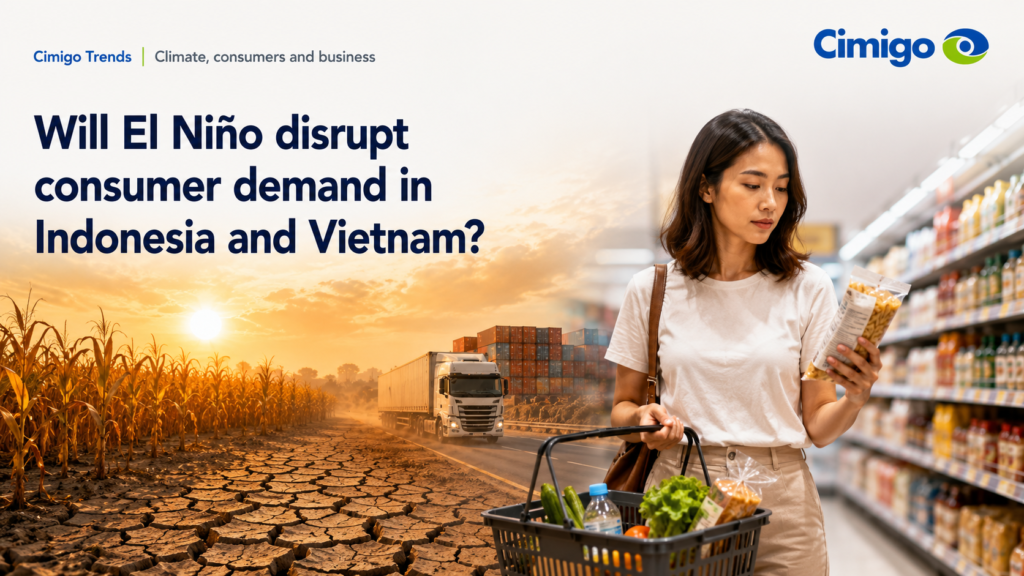 The first top travel trend for 2027 deserves particular attention as El Niño develops because weather conditions can affect both destination choice and behaviour once travellers arrive.
Extreme heat does not necessarily stop people from travelling, particularly when flights and hotels have already been booked. But it can change what visitors do, when they do it and where they spend their time.
Sightseeing can shift towards mornings and evenings. Air-conditioned transport, restaurants, shopping centres and indoor attractions become more attractive. Outdoor activities may lose appeal during the hottest parts of the day.
Water availability can also become more important in destinations where tourism creates substantial seasonal demand. For tourism authorities, resorts and operators, this requires adaptation rather than simply monitoring the weather. Consider heat-resilient itineraries. Concentrate on outdoor cultural and nature experiences in the mornings and late afternoons. Use food, retail, wellness and indoor entertainment to fill the hottest periods. Operating hours may need to change. Evening economies become more important. Shade, hydration, cooling, comfortable transport and rest areas become part of destination experience design rather than simply infrastructure.
Vietnamese travellers are familiar with their own climate and may adapt by changing destinations, travel dates, or activities. International visitors may react more strongly when international media coverage links destinations to extreme heat, fires, haze, or water shortages. Tourism businesses should therefore monitor more than arrivals. Destination searches, booking lead times, cancellations, flight disruption, length of stay and activity choices could provide earlier evidence that behaviour is changing.
For 2027, climate resilience could increasingly become part of destination competitiveness.
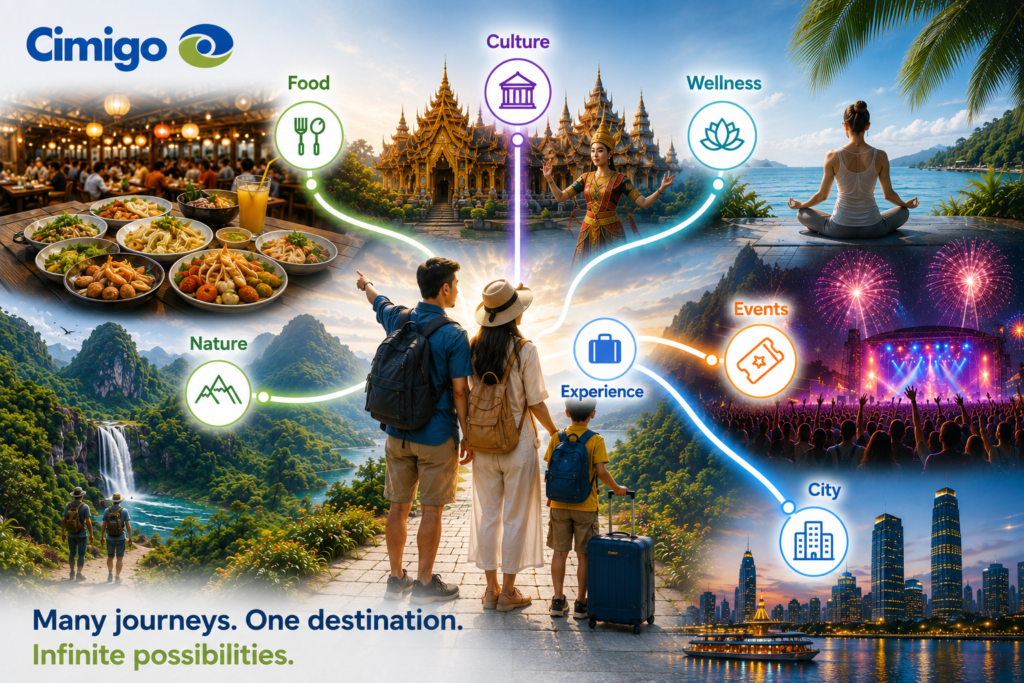 The second top travel trend for 2027, fragmentation, signals one of the biggest changes in tourism in Vietnam. There is no single “inbound tourist”, just as there is no single domestic traveller. Vietnam is attracting visitors from increasingly diverse markets, including longer-haul visitors with different expectations around quality, length of stay and expenditure. But nationality is only one dimension of segmentation.
Two travellers from the same country can have completely different motivations, budgets and expectations. A young Korean couple travelling for food and entertainment may have less in common with a multigenerational Korean family than their passports suggest.
The same individual can also change between trips. Someone might want an inexpensive weekend escape in October and a premium, longer cultural holiday in December. Markets fragment by source country, life stage, motivation, occasion, travelling party, budget and desired experience. The key is to segment around travel occasions.
For destination marketers, the consequence is important: You cannot optimise a destination for everybody. Choose the segments you want, understand what they value and build the experience around them. This applies to the product as much as the marketing. An integrated resort might develop different packages for multigenerational families, couples seeking recovery, groups travelling for an event, and higher-spending international visitors seeking deeper cultural experiences. A regional tourism authority might package and communicate the same destination differently by source market and travel occasion, rather than relying on a single generic destination campaign.
The third top travel trend for 2027 is that Vietnamese travellers are now taking around three to four domestic trips a year. That changes destination economics. When travel is centred on one major annual holiday, the marketing task is primarily to provide a compelling reason to choose one destination over another. More frequent travel creates another question: Why should I come back?
Destinations need multiple triggers across the year. Events can play an important role. A concert, sporting event, food festival or cultural celebration converts “we should go there sometime” into “we’re going there that weekend”. Seasonal food, exhibitions, cultural programmes, wellness experiences and changing packages can do the same.
Nor should frequent escapes and slow travel necessarily be seen as competing trends. The same consumer can take four short domestic breaks and one longer summer holiday. This means tourism marketers sometimes need to stop segmenting only by traveller or source market and start segmenting by travel occasions.
A couple’s anniversary trip, a family weekend, a friend’s escape, and a summer holiday could involve the same person but require four different propositions. For destinations, the implication is straightforward: don’t build one permanent reason to visit. Build a portfolio of reasons to return.
More frequent travel creates another opportunity: event tourism. Events give destinations something that permanent attractions often struggle to manufacture: urgency. A traveller can postpone visiting an attraction indefinitely. A concert, sporting event, food festival, or cultural celebration takes place on a particular date. Events answer: Why go now? For someone who has already visited the destination, another increasingly important question arises: Why go again?
Tourism authorities should therefore treat event calendars as part of a demand strategy rather than simply entertainment programming. Events can stimulate quieter periods, attract specific segments, and create packages that combine accommodation, food, entertainment, and other destination experiences.
Events can be segmented. A food festival can attract cultural and culinary travellers. A marathon can combine events with wellness. A concert can stimulate short breaks among younger travellers. A traditional festival can strengthen the cultural immersion proposition. The strongest events, therefore, do more than generate visitors. They reinforce what the destination wants to be known for.
The fourth top travel trend for 2027 is that, amongst Vietnamese travellers in Cimigo’s research, 74% express interest in cultural immersion. For Vietnam, that represents a significant competitive opportunity. Culture should not be interpreted narrowly as historical sites, temples and museums. Travellers experience culture through neighbourhoods, architecture, markets, crafts, music, traditions and everyday life. And particularly through food.
Food accounts for around 24% of travellers’ budgets, second only to accommodation, according to the research behind these trends. Yet destinations frequently treat food as supporting infrastructure. Tourists visit an attraction and then need somewhere to eat. It is time to reverse that thinking. Food can be the attraction. Destinations can build experiences around food markets, street food, regional cuisines, cooking experiences, ingredient stories, contemporary local dining, and shared tables.
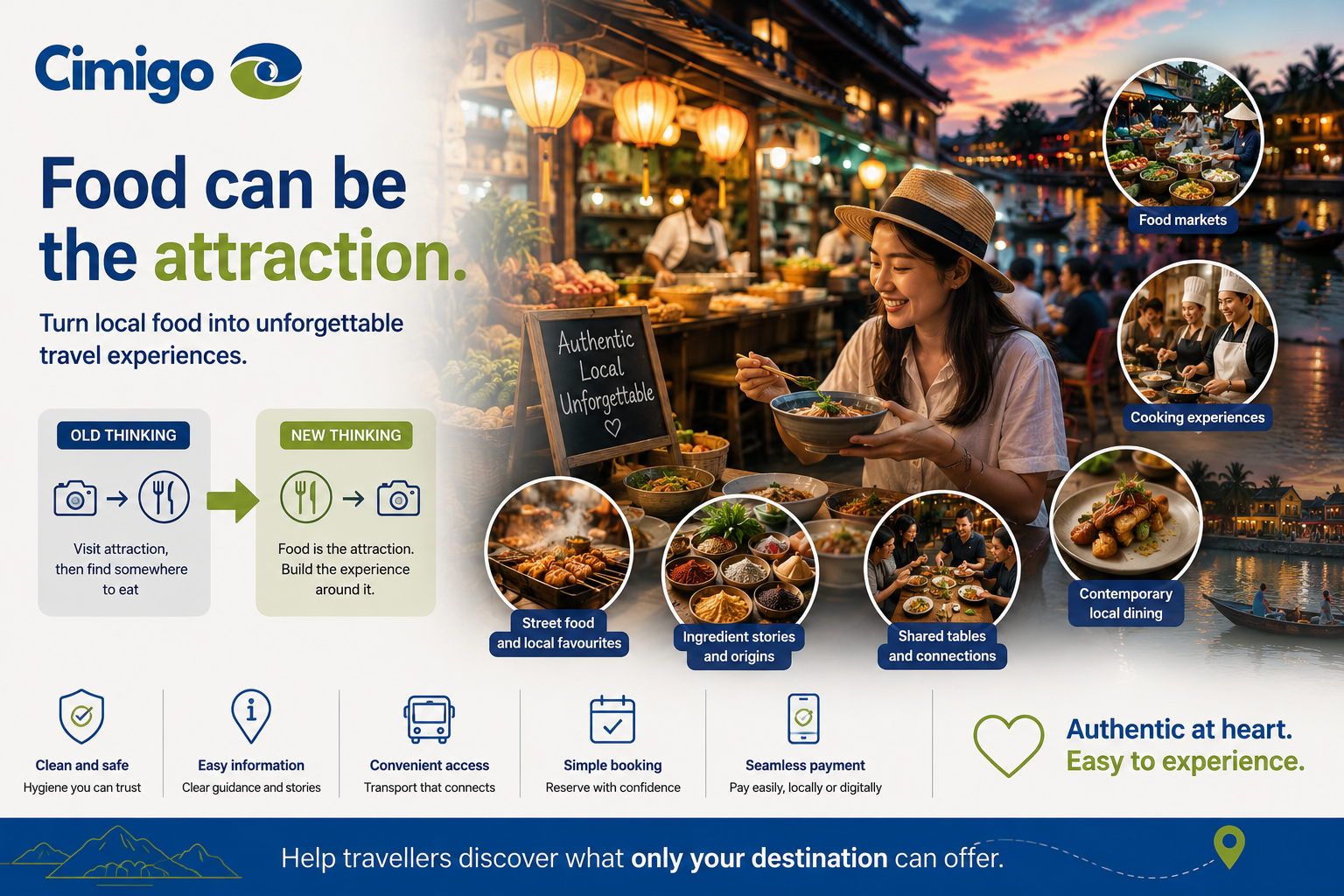
This is particularly powerful because food combines several things travellers seek from a trip: culture, discovery, social interaction and sensory experience. A tourism authority should therefore ask not only, “What attractions do we have?” but also: “What food experiences can travellers only have here?”
There is a reality check. Travellers can want authenticity without wanting discomfort. Hygiene, information, transportation, booking and payment can be easy while the underlying experience remains genuinely local. The opportunity is not to sanitise local culture for tourists. It is to make authentic experiences accessible without diluting their authenticity.
The fifth top travel trend for 2027 is social travel. The travel industry talks endlessly about personalisation. But most holidays are not individual consumption decisions. In Cimigo’s research, few Vietnamese travellers usually travel alone. The challenge, therefore, isn’t always personalisation. It is a negotiation and a trade-off. Where can we go that the children, grandparents, my partner and I will all enjoy?
This has important implications for destination and resort development. A successful destination does not need every attraction to appeal equally to everybody. It needs a sufficiently rich ecosystem for different members of the travelling party to meet their needs during the same trip. Food, entertainment, culture, nature, shopping, children’s activities and relaxation can serve different members of the group at different times. Instead of asking, “How do we personalise this destination for this traveller?”, destination developers might ask: “How do we curate an experience that works for this travelling party?”
For an integrated resort, this could mean deliberately packaging experiences that allow a family to spend some time together and some time pursuing different interests. Personalisation, therefore, becomes less about finding the perfect activity for one individual and more about curating complementary experiences for the travelling group.
The sixth top travel trend for 2027 is that relaxation and stress relief are the number one travel motivation in Cimigo’s research. That makes wellness important, but destinations should be careful not to equate wellness with spas and retreats. Most people do not necessarily need a three-day spa holiday, nor are they expecting a short break to be a life-changing transformation. Sometimes they want to come home feeling better than when they left.
Recovery is a more useful consumer need around which to design tourism experiences. Nature, sleep, good food, physical activity, traditional practices, quieter environments and time with family can all contribute. For destinations, wellness can consequently be woven through the visitor experience rather than confined to a dedicated wellness facility.
A regional destination might combine morning nature experiences, local food, cultural activities, restorative accommodation and traditional treatments. An integrated resort could offer different forms of recovery, from active recreation to doing very little at all. You can start with the consumer need rather than the Instagram meme for transformation or wellness.
The seventh top travel trend for 2027 is that discovery channels are fragmenting, much like travel occasions. The most immediate effect of AI on tourism may not be autonomous agents independently booking entire holidays. It is the way travellers discover and evaluate destinations. Cimigo’s Vietnam Media Habits research indicates how quickly the discovery environment is changing.
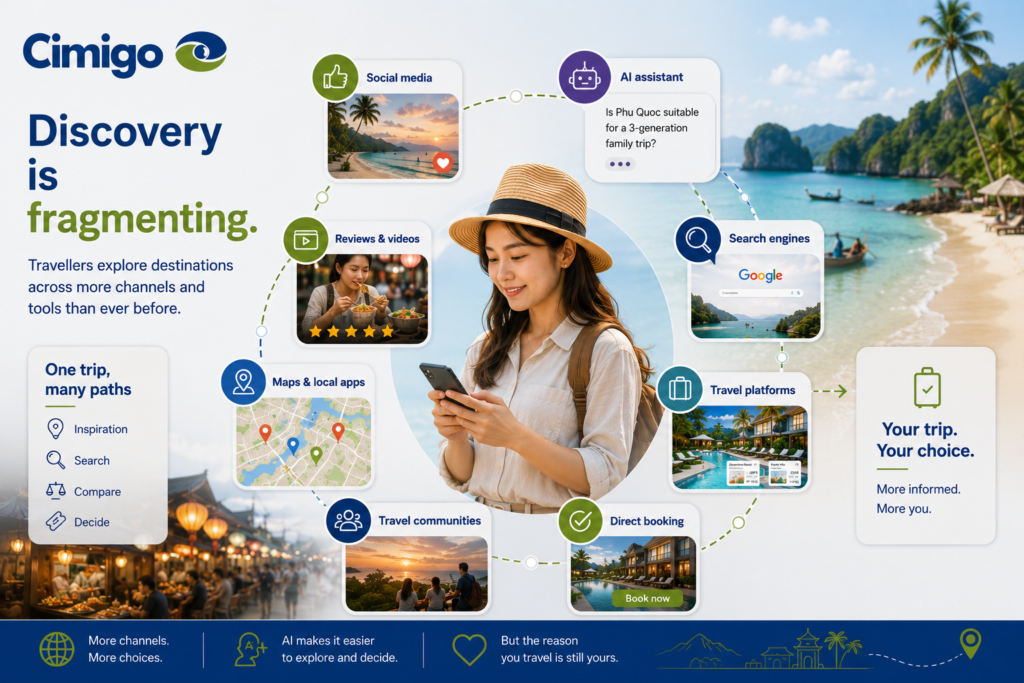 Among Vietnamese consumers aged 15 to 44 in the study, 83% used a search engine or AI tool yesterday. Google or Chrome remained dominant at 74%, but ChatGPT had already reached 56%, and Google Gemini 46%. Among Gen Z, ChatGPT usage reached 61%. More importantly, conventional search results are now only one part of the discovery process. When consumers searched for information, 40% engaged with social media posts and 40% with ecommerce links, compared with 22% using organic search results. AI-generated summaries were already used by 19%.
Discovery is becoming fragmented. A traveller might first encounter Phu Quoc through social media, ask an AI assistant whether it suits a three-generation family, use Google to research restaurants, compare resorts on a travel platform, and eventually book directly.
AI assistants will increasingly help travellers search, compare, translate, organise and change their plans. As people travel more frequently, the ability to assemble spontaneous trips more easily becomes particularly valuable. But there is an important distinction: AI assistants may increasingly help decide where we go and make getting there frictionless. But it won’t decide why your guests travel.
The why remains human: relaxation, culture, food, discovery, events and spending time with people we care about. For destination marketers, this distinction matters. Make the destination sufficiently distinctive that people want to experience it, and ensure AI systems have compelling information to recommend it.
AI assistants can help a family discover the right cultural experience. It cannot make that experience culturally meaningful. It can recommend a food market. It cannot create the atmosphere, flavours, and human interactions that make a visit memorable. It can identify a restorative weekend destination. It cannot provide the feeling of sitting beside the sea after a difficult month.
Technology can improve the journey to the experience. The destination still has to deliver the experience.
For tourism authorities and destinations, traditional search optimisation remains important, but it is no longer sufficient. Destinations need accurate, accessible and useful information across social platforms, conventional search, travel platforms, owned channels and increasingly AI assistants.
That includes the practical information AI and travellers need to construct a trip: attractions, events, itineraries, transport, opening times, food experiences, accessibility, accommodation and suitability for different travelling parties. This creates fragmentation at both ends of the destination marketing spectrum.
Destinations increasingly need to know precisely who they want to attract and where those travellers might start planning.
The eighth top travel trend for 2027 is the application of technology to remove pain points in the guest experience. There is a useful lesson from customer experience design for how tourism should approach AI and automation. Automate to remove friction that creates pain points for your guests. Preserve service team interactions that create memorable moments and delight throughout the guest experience. Travellers increasingly expect the mechanics of travel to become effortless.
Searching across dozens of sites, filling in forms repeatedly, translation difficulties, payment problems, unnecessary waiting, finding transport, and changing reservations are all areas where technology and AI assistants can reduce effort. These are pain points. There is little value in preserving them.
But efficiency is not the purpose of travel. A conversation with a restaurant owner, learning how to eat an unfamiliar dish, receiving an unexpected recommendation from hotel staff, hearing the story behind a local ingredient or having someone solve an unusual problem with judgement and empathy can become part of what the traveller remembers. The goal should therefore not be to automate every interaction.
A QR code might remove the inconvenience of waiting to pay a restaurant bill. That can improve the experience. Replacing the person who explains the menu, it’s a local speciality and tells you how it is traditionally eaten may remove a potential delight point.
For tourism operators, the question is not simply “Can we automate this?” Ask two questions:
Use technology aggressively first. Preserve your service team for the second.
There is a common thread running through these trends: fragmentation. The same traveller has different needs on different trips. Travelling parties contain people with different needs. International source markets are becoming more diverse. Domestic travel is becoming more frequent. Climate can change behaviour during a trip. Travellers discover destinations through an expanding mix of social media, conventional search, AI assistants, travel platforms, and owned channels.
For tourism authorities, regional destinations and integrated resorts, this suggests moving from simply promoting a place towards building and marketing portfolios of reasons to visit.
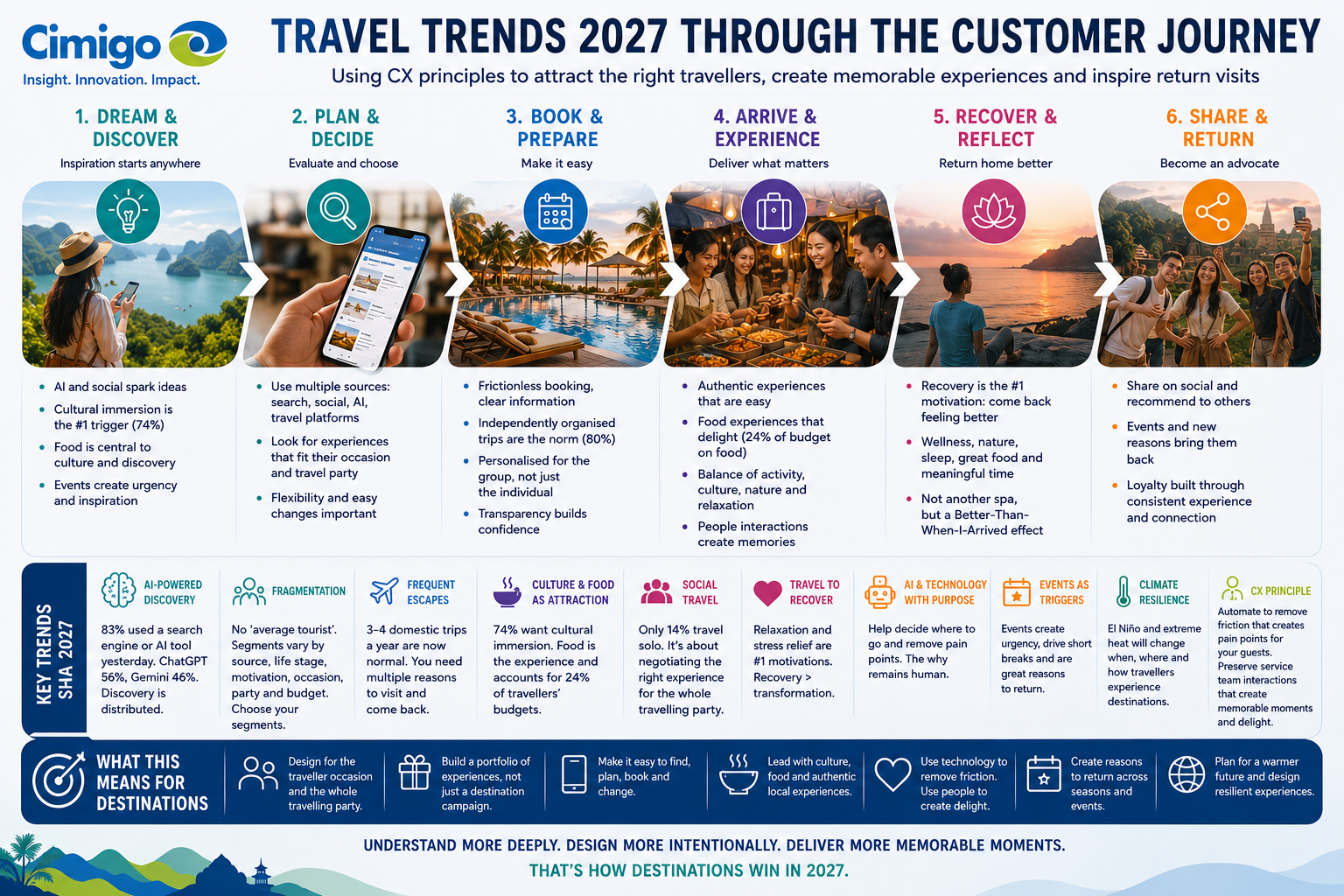
The destinations that perform best in 2027 may not be those offering the most things to do. They may be those who understand most precisely which trip occasions to attract, the needs for those occasions, how those travellers discover destinations, and what will make them come back.
This article draws in part on themes discussed at the Travel Massive Asia 2026 Top travel trends for 2027 panel. My thanks to Travel Massive and my fellow panellists, Ian Cumming, the founder of Travel Massive, Fran Diéguez, the CEO of Nuna and Natalya Wissink, the founder of Secret Experiences, for the discussion and exchange of perspectives.
Visit AskCimigo and interrogate our reports with our AI assistant.

Get instant access to syndicated consumer insights, market trends, and competitive intelligence across Vietnam.
If you have any questions or specific needs, please get in touch with us at ask@cimigo.com.

Indonesia consumer trends 2026
Oct 18, 2026
Indonesia consumer trends 2026 Indonesia‘s economy continues to demonstrate resilience in
Vietnam’s consumer outlook 2027
Oct 14, 2026
Vietnam’s consumer outlook 2027: Why strong economic growth does not guarantee consumer
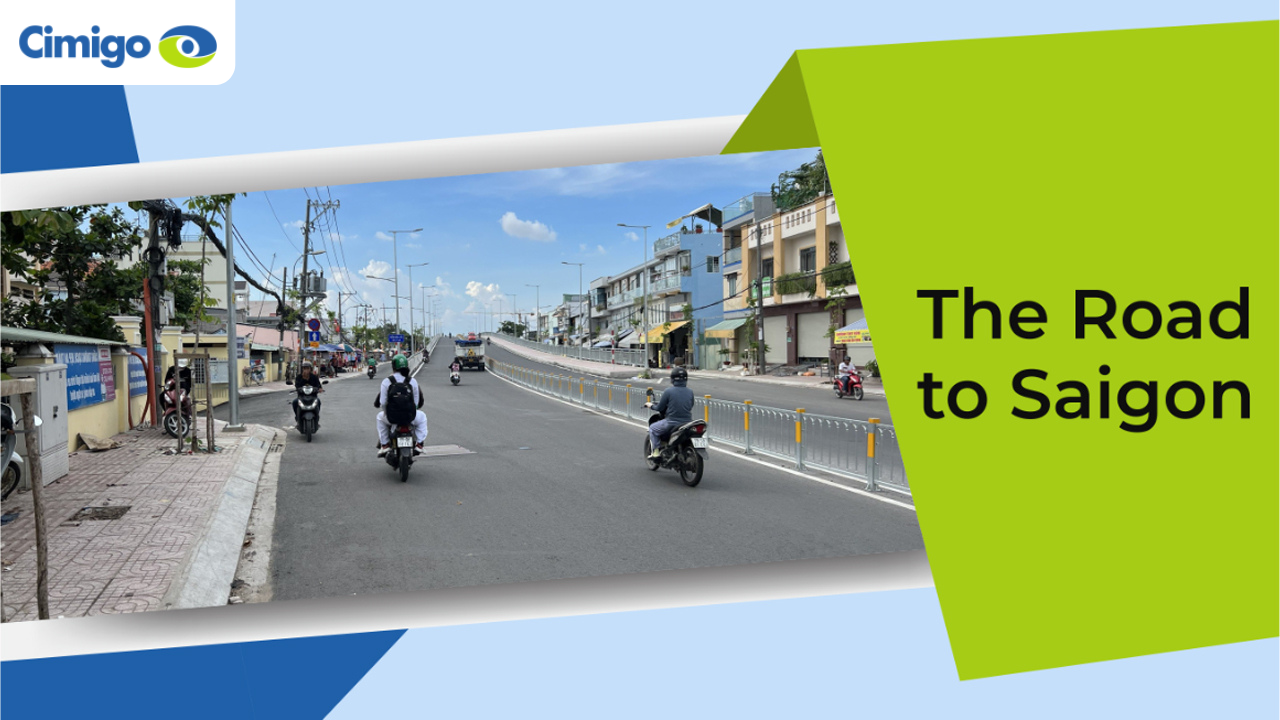
The Road to Saigon
Apr 15, 2025
Watch the Road to Saigon and learn about the stories of the residents. Understand their lives,

Đoàn Ngọc Huy (Johnny Doan), CMO & Market Research Expert -
As a Marketing Director and Market Research Expert Advisor across international markets, I have collaborated with numerous market research agencies, both global and local, that operate with a high level of professionalism and effectiveness. Cimigo is among the most outstanding. The Cimigo team demonstrates exceptional professionalism, strong commitment, and operational excellence. From research design and fieldwork execution to insight analysis, all stages are conducted rigorously, delivered on schedule, and closely aligned with business objectives. This is a highly capable team that I would confidently recommend to my partners and stakeholders.
As a Marketing Director and Market Research Expert Advisor across international markets, I have collaborated with numerous market research agencies, both global and local, that operate with a high level of professionalism and effectiveness. Cimigo is among the most outstanding. The Cimigo team demonstrates exceptional professionalism, strong commitment, and operational excellence. From research design and fieldwork execution to insight analysis, all stages are conducted rigorously, delivered on schedule, and closely aligned with business objectives. This is a highly capable team that I would confidently recommend to my partners and stakeholders.

Lisa Nguyen - Vietnam Marketing Lead

Mark Ratcliff - Managing Director
The team at Cimigo are my favourite researchers in South East Asia. They’ve proved adept at tackling the most private and complex personal issues at qualitative research level, not flinching when the client endlessly chopped and changed fieldwork timing, or ramped up the workload without warning. They have recruited the most extraordinarily niche consumers without pause or complaint. Their patience with clients and their flexibility and hard work that went above and beyond what was initially asked of them on two projects relating to sexual behaviour means there is now no other research company we would choose to work with in that part of Asia. The fact they also pulled off a third project for us so well, on men’s relationship with beer and beer advertising, shows they have breadth of expertise— we still quote from the report they produced.
The team at Cimigo are my favourite researchers in South East Asia. They’ve proved adept at tackling the most private and complex personal issues at qualitative research level, not flinching when the client endlessly chopped and changed fieldwork timing, or ramped up the workload without warning. They have recruited the most extraordinarily niche consumers without pause or complaint. Their patience with clients and their flexibility and hard work that went above and beyond what was initially asked of them on two projects relating to sexual behaviour means there is now no other research company we would choose to work with in that part of Asia. The fact they also pulled off a third project for us so well, on men’s relationship with beer and beer advertising, shows they have breadth of expertise— we still quote from the report they produced.

Kevin McQuillan - Chief Marketing Officer

Sam Houston - Chief Executive Officer
Minh Thu - Consumer Market Insights Manager

Travis Mitchell - Executive Director

Malcolm Farmer - Managing Director
Hy Vu - Head of Research Department

Joe Nelson - New Zealand Consulate General

Steve Kretschmer - Executive Director

York Spencer - Global Marketing Director

Laura Baines - Programmes Snr Manager

Mai Trang - Brand Manager of Romano

Hanh Dang - Product Marketing Manager
Luan Nguyen - Market Research Team Leader
Max Lee - Project Manager

Chris Elkin - Founder

Ronald Reagan - Deputy Group Head After Sales & CS Operation
Chad Ovel - Partner

Private English Language Schools - Chief Executive Officer

Rick Reid - Creative Director

Anya Nipper - Project Coordination Director

Dr. Jean-Marcel Guillon - Chief Executive Officer

Joyce - Pricing Manager

Matt Thwaites - Commercial Director

Aashish Kapoor - Head of Marketing

Kelly Vo - Founder & Host
Thanyachat Auttanukune - Board of Management
Hamish Glendinning - Business Lead

Thuy Le - Consumer Insight Manager

Richard Willis - Director

Ha Dinh - Project Lead
Geert Heestermans - Marketing Director

Vo Thi Thuy Ha - Commercial Effectiveness

Louise Knox - Consumer Technical Insights
Aimee Shear - Senior Research Executive
Dennis Kurnia - Head of Consumer Insights

Tania Desela - Senior Product Manager
Thu Phung - CTI Manager
Linda Yeoh - CMI Manager

 Team
Team
Cimigo’s market research team in Vietnam and Indonesia love to help you make better choices.
 Solutions
Cimigo provides market research solutions in Vietnam and Indonesia that will help you make better choices.
 Trends
Cimigo provides a range of consumer marketing trends and market research on market sectors and consumer segments in Vietnam and Indonesia.
 Reports
Cimigo provides a range of free market research reports on market sectors and consumer segments in Vietnam and Indonesia.