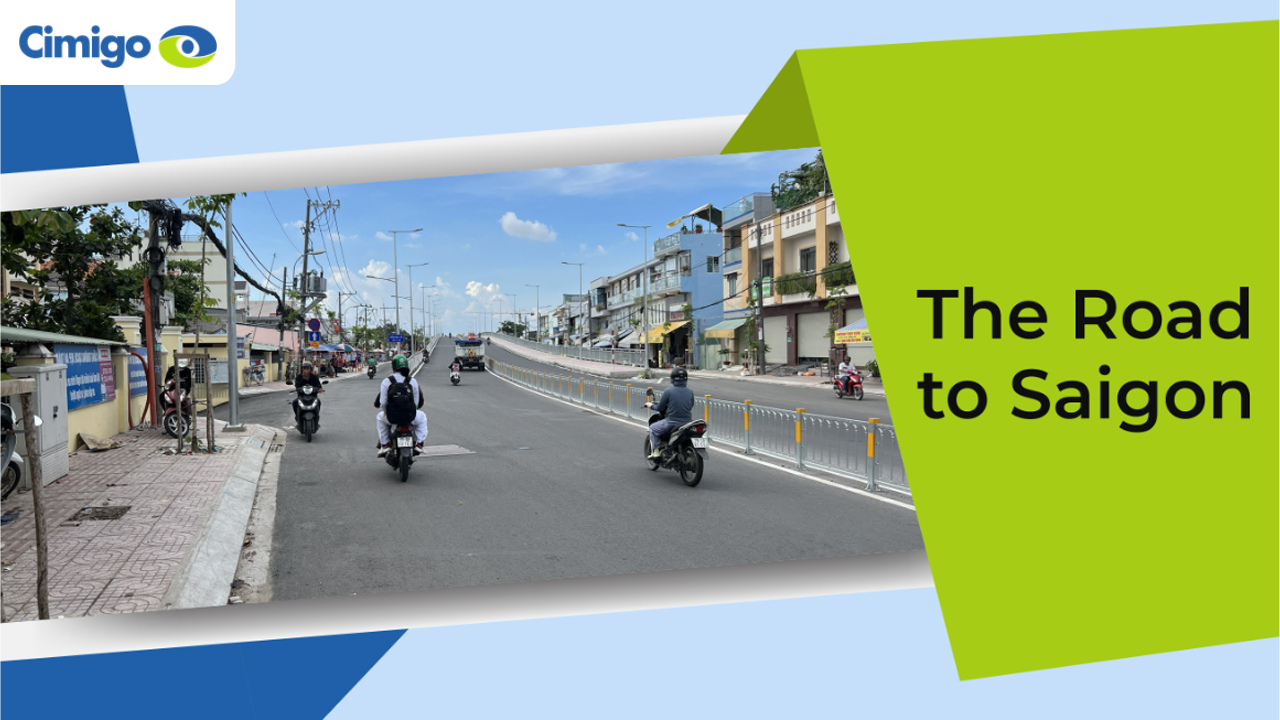
The Road to Saigon
Apr 15, 2025
Watch the Road to Saigon and learn about the stories of the residents. Understand their lives,

Voice of Employee survey: 5 case studies and lessons
 Tram Ta
 Oct 27, 2026
A Voice of Employee survey helps organisations understand how employees experience their workplace, what they value and where improvements are needed. As businesses navigate rapid digital transformation and changing workforce expectations, listening to employees has become an important part of managing workplace experience. At Cimigo, we have spent decades studying how consumers live, work and engage. Behind a strong customer experience, however, is another important consideration: how employees experience their own organisation.
A Voice of Employee survey helps organisations understand what employees value, where concerns exist and which improvements matter most. Cimigo uses the same data-driven discipline from consumer research to understand employees, using structured feedback to examine workplace experience, engagement, and satisfaction.
Employees increasingly seek balance, purpose and opportunities to be heard, alongside financial rewards. Cimigo’s trend findings highlight empowerment, community belonging and ethical values as important expectations among consumers and employees.
The following five case studies illustrate how a structured Voice of Employee survey can help HR teams identify concerns, respond to employee feedback and monitor changes in workplace satisfaction.
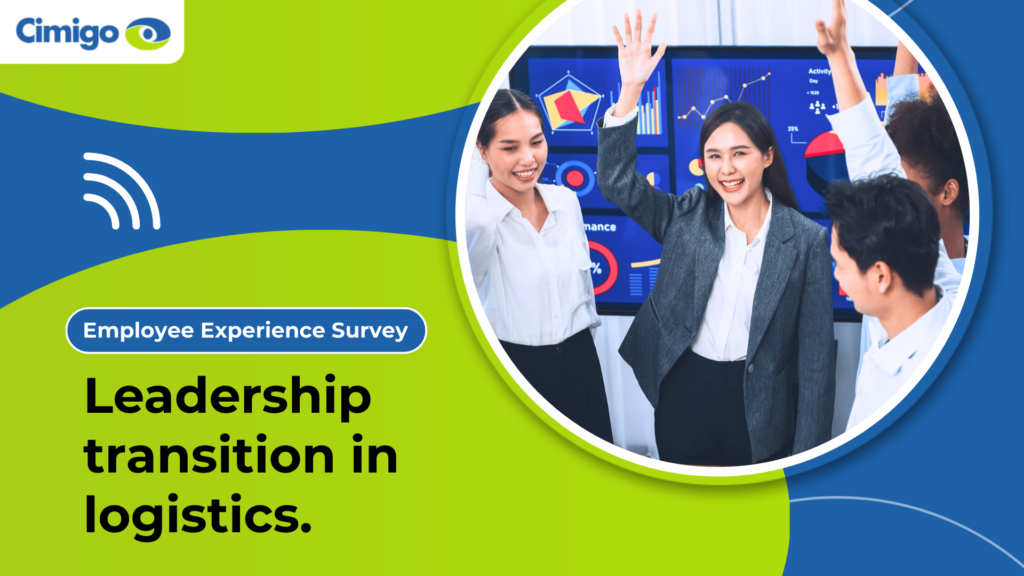
A leading logistics provider in Hanoi was undergoing an executive reshuffle. Rumours and uncertainty affected morale, while HR struggled to maintain clear communication across teams.
The company used Cimigo’s Voice of Employee survey to understand employee sentiment across departments. Within 10 days, the results revealed:
In response, leadership introduced structured monthly updates, clarified responsibilities following the transition and established a two-way feedback programme.
Key outcome: Internal trust indicators and overall workplace satisfaction rose by 30% over three months.
Guided by its focus on well-being, one food and beverage company used Cimigo’s Voice of Employee survey to assess employees’ perceptions of workplace wellness. Workplace conditions, workload and management support can influence employee mental health. The World Health Organisation’s guidelines on mental health at work provide recommendations covering organisational interventions, manager training and employee support.
The survey identified:
In response, the HR team introduced mental wellness days, redesigned workload allocation and began coaching managers with a greater focus on well-being.
Result: Employee satisfaction with work-life balance increased from 48% to 76% within two quarters.
Takeaway: If a brand promises wellness to its customers, it should also examine whether its workplace culture supports employee well-being. Regular feedback helps organisations understand where improvements are needed.

A financial services firm recognised that employees from different generations responded differently to its HR initiatives. Using Cimigo’s Voice of Employee survey, the company segmented employee feedback and satisfaction measures by generation.
The HR team used these findings to tailor programmes for different employee groups. Internal communication and professional development initiatives became more relevant to each generation’s priorities.
Result: Company-wide engagement rose by 22%, overall employee satisfaction increased, and exit interview themes shifted from “not heard” to “opportunity found”.
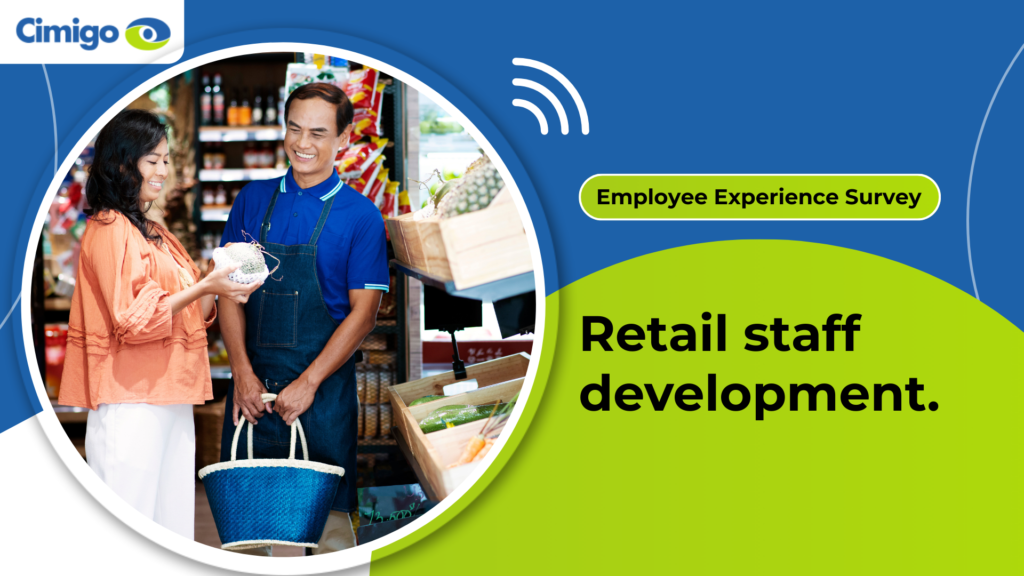
A national retail brand approached Cimigo because it believed compensation was the main cause of declining employee satisfaction and staff turnover. Exit interviews frequently mentioned “better offers elsewhere”, but the survey findings revealed different underlying concerns.
Based on these findings, the company introduced a “Path to Growth” initiative. Store leaders received coaching training, and the organisation established clearer development milestones.
Outcome: Staff turnover fell by 18% within six months, employee Net Promoter Score (eNPS) increased substantially, and overall employee satisfaction improved.
Insight: Employee turnover is not always primarily about salary. When employees understand development opportunities, management support, and clarity on promotions, businesses can address the concerns that matter most to them. For other issues to investigate, see these 10 warning signs of employee disengagement.

Workplace culture and employee satisfaction matter to both small organisations and large corporations. A 20-person startup in Singapore believed its internal operations were running smoothly until Cimigo’s Voice of Employee survey revealed underlying concerns.
Using these findings, the founders introduced weekly review meetings, peer feedback tools and rotating project leadership responsibilities.
Result: Employee satisfaction rose by 40% within 180 days.
Lesson: Even relatively small teams can benefit from regular employee feedback. Structured research helps organisations identify cultural issues that may not emerge through informal conversations alone.
Cimigo’s Voice of Employee survey gives HR teams a structured approach to understanding employee concerns and identifying areas for improvement. The programme offers:
Younger employees have grown up with digital technology and changing social expectations. They may seek greater transparency and opportunities to express their views. Across the workforce, community, fairness and well-being can also influence how people feel about their employer.
A structured employee feedback survey helps organisations understand these expectations rather than relying on assumptions. Employers can then use the findings to identify workplace concerns, strengthen communication and prioritise improvements that support engagement, retention and performance.
Employees experience the organisation every day, but their concerns may not always be visible to managers. A Voice of Employee survey provides a systematic way to listen, identify gaps between expectations and experiences, and understand the factors affecting workplace satisfaction.
The five case studies demonstrate the value of using feedback to guide decisions about leadership communication, employee well-being, professional development, staff retention and workplace culture.
For HR teams, collecting feedback is only the beginning. Its value comes from carefully interpreting the findings, taking relevant action, and communicating improvements back to employees.
Ready to understand what your employees really think?
Learn how Cimigo’s Employee Experience Survey can help your organisation identify concerns and prioritise improvements.
Visit www.cimigo.com or contact ask@cimigo.com for support.

The Road to Saigon
Apr 15, 2025
Watch the Road to Saigon and learn about the stories of the residents. Understand their lives,
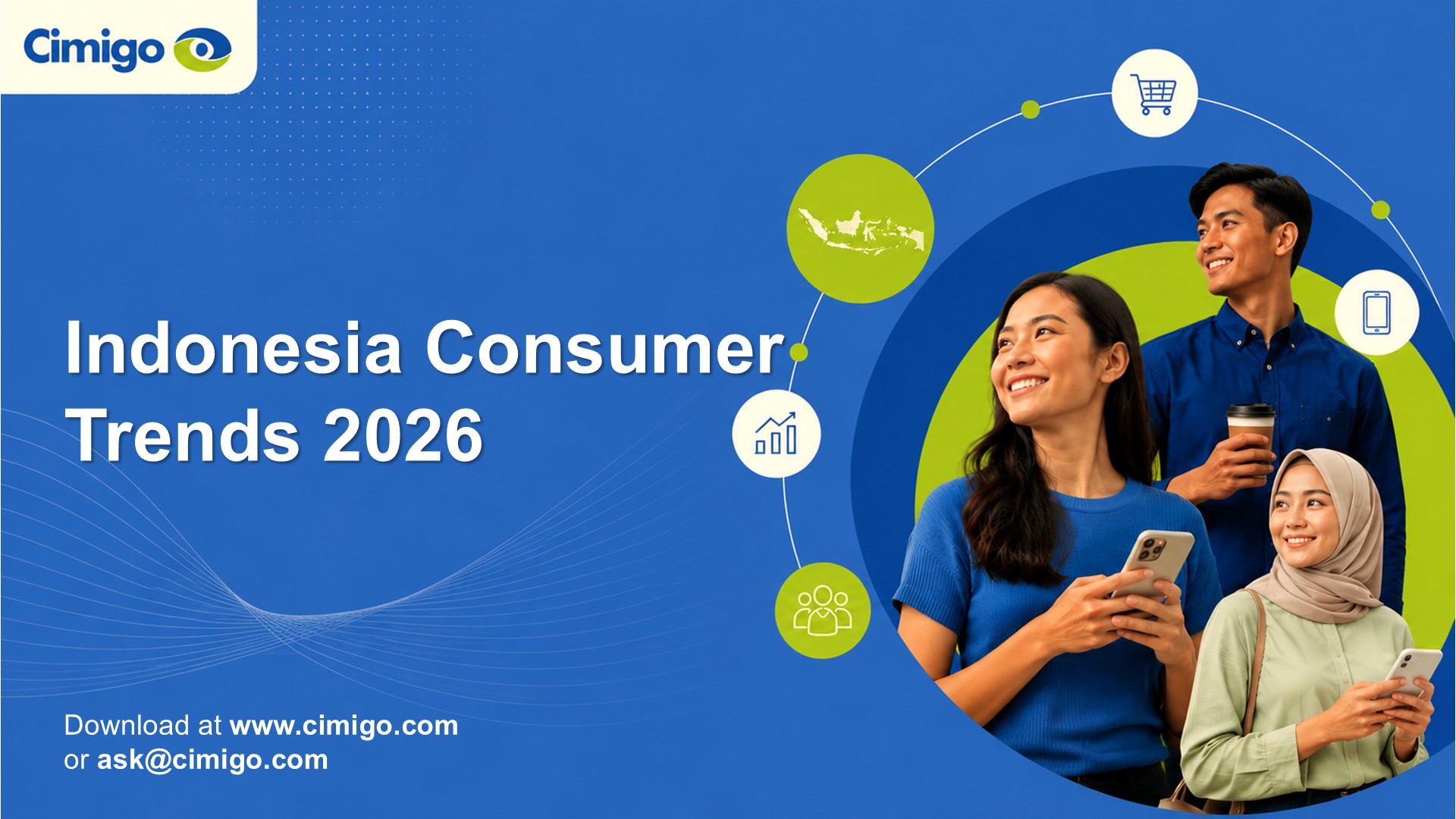
Indonesia consumer trends 2026
Oct 18, 2026
Indonesia consumer trends 2026 Indonesia‘s economy continues to demonstrate resilience in

Vietnam’s consumer outlook 2027
Oct 14, 2026
Vietnam’s consumer outlook 2027: Why strong economic growth does not guarantee consumer
Đoàn Ngọc Huy (Johnny Doan), CMO & Market Research Expert -
As a Marketing Director and Market Research Expert Advisor across international markets, I have collaborated with numerous market research agencies, both global and local, that operate with a high level of professionalism and effectiveness. Cimigo is among the most outstanding. The Cimigo team demonstrates exceptional professionalism, strong commitment, and operational excellence. From research design and fieldwork execution to insight analysis, all stages are conducted rigorously, delivered on schedule, and closely aligned with business objectives. This is a highly capable team that I would confidently recommend to my partners and stakeholders.
As a Marketing Director and Market Research Expert Advisor across international markets, I have collaborated with numerous market research agencies, both global and local, that operate with a high level of professionalism and effectiveness. Cimigo is among the most outstanding. The Cimigo team demonstrates exceptional professionalism, strong commitment, and operational excellence. From research design and fieldwork execution to insight analysis, all stages are conducted rigorously, delivered on schedule, and closely aligned with business objectives. This is a highly capable team that I would confidently recommend to my partners and stakeholders.

Lisa Nguyen - Vietnam Marketing Lead

Mark Ratcliff - Managing Director
The team at Cimigo are my favourite researchers in South East Asia. They’ve proved adept at tackling the most private and complex personal issues at qualitative research level, not flinching when the client endlessly chopped and changed fieldwork timing, or ramped up the workload without warning. They have recruited the most extraordinarily niche consumers without pause or complaint. Their patience with clients and their flexibility and hard work that went above and beyond what was initially asked of them on two projects relating to sexual behaviour means there is now no other research company we would choose to work with in that part of Asia. The fact they also pulled off a third project for us so well, on men’s relationship with beer and beer advertising, shows they have breadth of expertise— we still quote from the report they produced.
The team at Cimigo are my favourite researchers in South East Asia. They’ve proved adept at tackling the most private and complex personal issues at qualitative research level, not flinching when the client endlessly chopped and changed fieldwork timing, or ramped up the workload without warning. They have recruited the most extraordinarily niche consumers without pause or complaint. Their patience with clients and their flexibility and hard work that went above and beyond what was initially asked of them on two projects relating to sexual behaviour means there is now no other research company we would choose to work with in that part of Asia. The fact they also pulled off a third project for us so well, on men’s relationship with beer and beer advertising, shows they have breadth of expertise— we still quote from the report they produced.

Kevin McQuillan - Chief Marketing Officer

Sam Houston - Chief Executive Officer

Minh Thu - Consumer Market Insights Manager
Travis Mitchell - Executive Director
Malcolm Farmer - Managing Director

Hy Vu - Head of Research Department

Joe Nelson - New Zealand Consulate General

Steve Kretschmer - Executive Director
York Spencer - Global Marketing Director

Laura Baines - Programmes Snr Manager
Mai Trang - Brand Manager of Romano

Hanh Dang - Product Marketing Manager
Luan Nguyen - Market Research Team Leader
Max Lee - Project Manager

Chris Elkin - Founder

Ronald Reagan - Deputy Group Head After Sales & CS Operation
Chad Ovel - Partner

Private English Language Schools - Chief Executive Officer

Rick Reid - Creative Director

Anya Nipper - Project Coordination Director

Dr. Jean-Marcel Guillon - Chief Executive Officer

Joyce - Pricing Manager

Matt Thwaites - Commercial Director

Aashish Kapoor - Head of Marketing

Kelly Vo - Founder & Host
Thanyachat Auttanukune - Board of Management
Hamish Glendinning - Business Lead

Thuy Le - Consumer Insight Manager
Richard Willis - Director

Ha Dinh - Project Lead
Geert Heestermans - Marketing Director

Vo Thi Thuy Ha - Commercial Effectiveness

Louise Knox - Consumer Technical Insights

Aimee Shear - Senior Research Executive
Dennis Kurnia - Head of Consumer Insights
Tania Desela - Senior Product Manager
Thu Phung - CTI Manager
Linda Yeoh - CMI Manager

 Team
Cimigo’s market research team in Vietnam and Indonesia love to help you make better choices.
 Solutions
Cimigo provides market research solutions in Vietnam and Indonesia that will help you make better choices.
 Trends
Cimigo provides a range of consumer marketing trends and market research on market sectors and consumer segments in Vietnam and Indonesia.
 Reports
Cimigo provides a range of free market research reports on market sectors and consumer segments in Vietnam and Indonesia.